
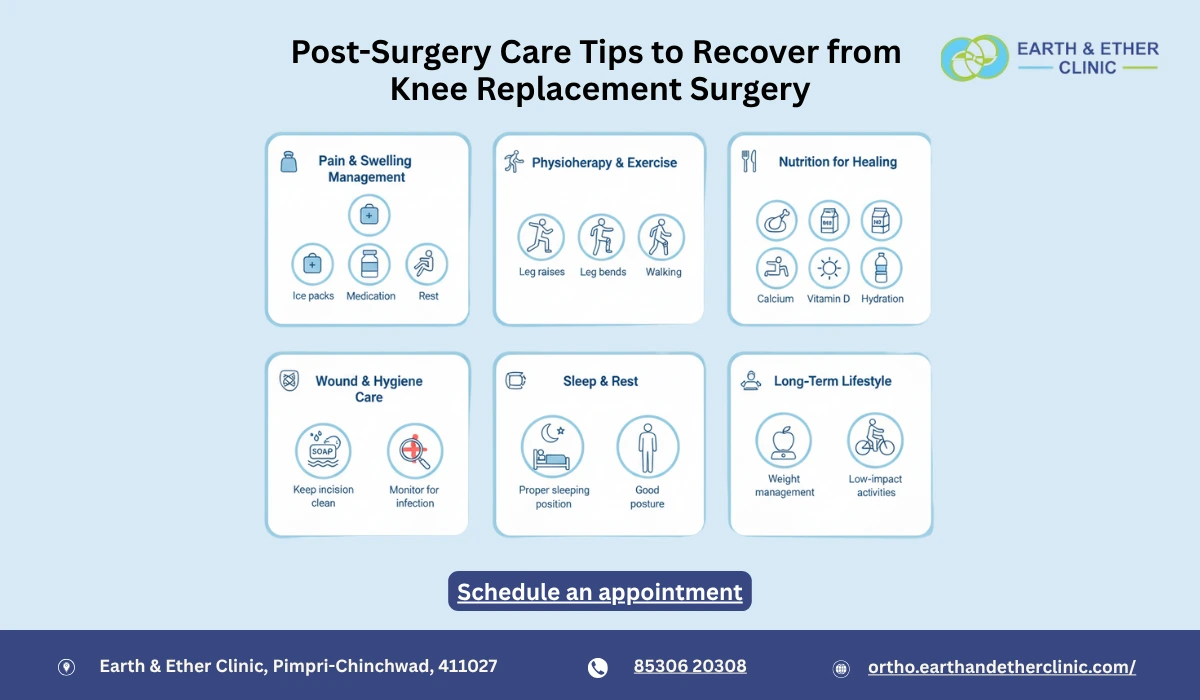
Post-Surgery Care Tips to Recover from Knee Replacement Surgery
Knee replacement surgery is one of the most effective orthopedic procedures to relieve chronic knee pain, restore joint mobility, and improve quality of life. Whether due to osteoarthritis, rheumatoid arthritis, or a severe injury, many patients choose this procedure after exhausting all non-surgical treatments.
However, successful knee replacement isn’t just about the surgery itself — it’s equally about how well you follow post-operative care and rehabilitation. Recovery is a gradual process that requires dedication, patience, and consistent medical guidance.
As explained by the Best Orthopedic Surgeon in Pune, post-surgery care plays a vital role in restoring strength, flexibility, and function to your knee. Let’s explore the essential post-surgery care tips and recovery guidelines you should follow after a knee replacement surgery.
1.How Does Knee Replacement Surgery Work?
Before delving into recovery tips, it’s helpful to understand How Does Knee Replacement Surgery Work? The procedure involves removing the damaged cartilage and bone from the knee joint and replacing it with an artificial implant (prosthesis). This implant mimics the natural movement of your knee, helping you walk, bend, and climb stairs comfortably again.
There are two main types of surgeries:
- Total Knee Replacement (TKR): Entire joint surface is replaced.
- Partial Knee Replacement (PKR): Only the damaged part of the joint is replaced.
Recovery timelines can vary depending on factors like age, overall health, pre-existing conditions, and the type of surgery performed.
2. What Does the Immediate Post-Surgery Phase Look Like?
The first few days after surgery are crucial for laying the foundation of recovery.
Pain Management
Pain and swelling are natural after surgery. Doctors prescribe medications to manage pain and inflammation effectively. Using ice packs several times a day for 15–20 minutes helps control swelling.
Tip: Avoid applying ice directly to the skin — use a thin cloth or towel as a barrier.
Wound Care
Keep your surgical incision clean and dry. Follow your doctor’s advice on changing dressings and watch for any signs of infection such as redness, pus, or unusual pain.
Alert your doctor immediately if you notice:
- Fever above 101°F (38°C)
- Persistent drainage from the wound
- Increased swelling or warmth around the incision
Mobility Support
You’ll be encouraged to move your foot and ankle soon after surgery to promote blood flow. Early movement prevents blood clots and supports healing. Walking with a walker or crutches is usually introduced within 24–48 hours under physiotherapy supervision.
3. What Role Does Physiotherapy Play in Post-Surgery Recovery?
Physiotherapy is the backbone of knee replacement recovery. Under professional guidance, you’ll gradually restore movement and strength.
Early Exercises
Right after surgery, you’ll start simple exercises such as:
- Ankle Pumps: Move your ankle up and down to improve circulation.
- Quadriceps Sets: Tighten your thigh muscles and hold for 5–10 seconds.
- Straight Leg Raises: Helps strengthen your thigh and knee.
These exercises may seem basic, but they’re crucial for maintaining muscle tone and preventing stiffness.
Progressive Strengthening
As weeks go by, your physiotherapist will add more challenging exercises — including knee bends, step-ups, and resistance training. Regular physiotherapy sessions ensure that your knee regains flexibility and stability at a safe pace.
Consistency Matters
Skipping exercises can delay your recovery. Dedicate time every day to your prescribed physiotherapy routine. Remember, recovery is not about rushing — it’s about consistency and gradual improvement.
4. What Should You Eat to Heal Faster After Knee Replacement Surgery?
Your diet plays a critical role in the healing process. After surgery, your body needs nutrients that support tissue repair, reduce inflammation, and strengthen bones.
Include in Your Diet:
- Protein-Rich Foods: Eggs, lentils, chicken, fish, tofu — for tissue healing.
- Calcium and Vitamin D: Dairy products, fortified foods, sunlight exposure — for bone strength.
- Iron and Vitamin C: Spinach, citrus fruits, and beetroot — to prevent anemia and boost immunity.
- Anti-inflammatory Foods: Turmeric, ginger, green leafy vegetables, and olive oil.
Tip: Stay hydrated — drink 2–3 liters of water daily to aid circulation and prevent dehydration-related fatigue.
Avoid processed foods, excess salt, and sugary snacks as they can contribute to inflammation and slow healing.
5. How Can You Manage Swelling and Inflammation After Knee Replacement Surgery?
Swelling is common for several weeks post-surgery, but there are effective ways to manage it.
Follow the R.I.C.E. Principle:
- Rest: Give your knee time to heal.
- Ice: Apply ice packs to reduce swelling.
- Compression: Use elastic bandages or compression stockings.
- Elevation: Keep your leg elevated above heart level to improve circulation.
Bonus Tip: Gentle massage (only when recommended by your physiotherapist) can promote blood flow and reduce stiffness.
6. How Does Quality Sleep Help in Knee Replacement Recovery?
Quality sleep helps your body recover and repair tissues. However, finding a comfortable sleeping position after knee replacement can be challenging.
Best Sleeping Positions:
- Sleep on your back with a pillow under your knee and leg.
- Avoid sleeping on the operated side for the first few weeks.
- If you sleep on your non-operated side, place a pillow between your knees for support.
Avoid: Crossing your legs or keeping your operated leg in a bent position for long hours.
7. How Can You Prevent Complications After Knee Replacement Surgery?
Even though modern knee replacement surgeries are safe, post-operative complications can arise if care is neglected.
Watch Out For:
- Blood Clots (Deep Vein Thrombosis): Move your feet regularly and take prescribed blood-thinning medications.
- Infections: Maintain wound hygiene and avoid submerging the incision in water until cleared by your doctor.
- Implant Loosening or Misalignment: Avoid high-impact activities until your orthopedic surgeon approves.
Following medical advice and attending follow-up appointments are essential to ensure your knee implant is functioning well.
8. How Soon Can You Resume Normal Activities After Surgery?
Recovery is not just physical — it’s also about regaining independence in daily activities.
At Home:
- Use assistive devices like grab bars or elevated toilet seats.
- Remove loose rugs or clutter to prevent tripping.
- Arrange items within easy reach to avoid unnecessary bending.
Walking and Climbing Stairs:
- Begin walking short distances daily.
- When climbing stairs: “Up with the good, down with the bad.” (Lead with your good leg when going up; operated leg first when going down.)
Driving:
Most patients can resume driving after 6–8 weeks, once their knee bends comfortably, and they can brake safely. Always consult your orthopedic surgeon before doing so.
9. How Do You Stay Positive and Motivated During Recovery?
Knee replacement recovery isn’t only physical — it can test your patience and emotional resilience. It’s common to feel frustrated, especially during the initial weeks when movement is limited.
Coping Tips:
- Set small, realistic goals and celebrate progress.
- Stay connected with friends and family for emotional support.
- Practice relaxation techniques like meditation or deep breathing.
- Join a support group for knee replacement patients if available.
Remember: Recovery is not a race — each step forward, no matter how small, is progress.
10. How Do You Ensure Lasting Results After Knee Replacement?
Most patients experience significant improvement within 3–6 months, but full recovery can take up to a year. To maintain the benefits of your new knee, long-term care is essential.
Adopt a Knee-Friendly Lifestyle:
- Maintain a healthy weight to reduce stress on the joint.
- Stay active with low-impact exercises such as walking, swimming, or cycling.
- Avoid activities like running or jumping that put strain on the artificial joint.
- Schedule regular follow-ups with your orthopedic surgeon to monitor implant health.
Rehabilitation Beyond Recovery
Even after completing your formal physiotherapy sessions, continue with home exercises to keep your knee strong and flexible.
11. When to Contact Your Doctor?
Even after months of recovery, keep an eye out for unusual symptoms such as:
- Sudden knee pain or stiffness
- Difficulty moving the knee
- Redness or swelling that doesn’t subside
- Fever or chills
Timely medical attention ensures early management of complications and protects your knee replacement’s longevity.
Conclusion
Recovering from a knee replacement surgery is a gradual journey of physical healing and mental perseverance. With proper post-surgery care, dedicated physiotherapy, nutritious eating, and regular follow-ups, most patients regain full mobility and return to an active lifestyle.
If you’re preparing for or recovering from knee surgery, consult an experienced specialist like the Best Orthopedic Surgeon in Pune for personalized rehabilitation guidance. Every patient’s recovery is unique, and professional supervision ensures a safe and successful return to pain-free movement.
Read Here: Winter Diet for Strong Bones
