
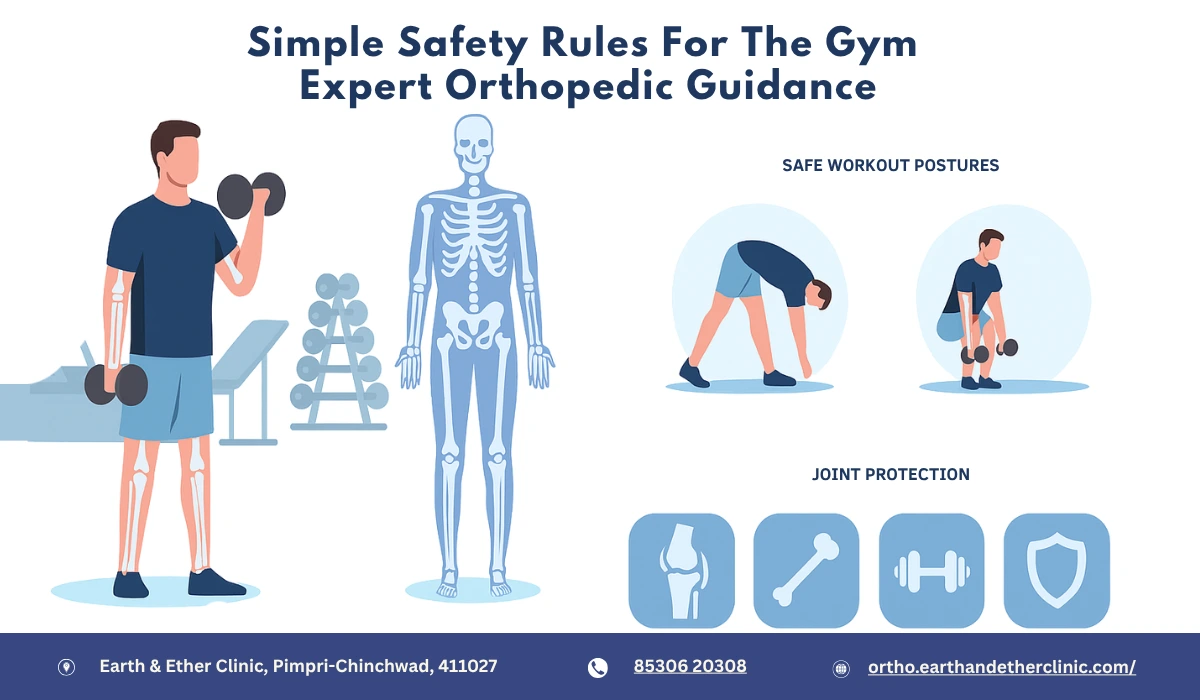
Simple Safety Rules For The Gym – Expert Orthopedic Guidance
Maintaining strong bones and healthy joints has become a priority for people of all ages, especially as fitness culture continues to grow. Regular exercise plays an essential role in improving bone density, strengthening muscles, and supporting long-term mobility. However, without proper precautions, gym workouts can also lead to bone and joint injuries that may take weeks or even months to recover from.
Whether you are a beginner or an experienced gym-goer, adopting simple safety rules can significantly reduce your risk of fractures, ligament tears, strains, and joint issues. Protecting your bones does not require complex strategies; it requires awareness, correct technique, and mindful training. This blog provides expert-backed insights on how to exercise safely and efficiently while prioritizing bone health.
Why Bone Safety Matters During Workouts
Your bones are living tissues that undergo constant remodeling. Weight training, resistance exercises, and structured workouts are all excellent ways to strengthen them. However, when your workout routine lacks structure, technique, or preparation, the risk of bone stress increases.
Common gym-related bone injuries include:
- Stress fractures
- Wrist and ankle sprains
- Shoulder impingement
- Knee ligament strains
- Lower back injuries
- Joint inflammation
- Overuse injuries
Most of these injuries are preventable with simple safety habits. The goal is not to avoid exercise but to practice it safely and intelligently. For personalized guidance on safe training and bone protection, consulting the Best Orthopedic Surgeon in Pune can help you understand the right techniques and precautions based on your individual needs.
Understanding How Bones Respond to Exercise
Bones respond positively to mechanical stress. Exercises that apply controlled pressure—such as strength training, weight-bearing movements, and resistance workouts—stimulate bone-forming cells known as osteoblasts. Over time, this leads to increased bone density and strength.
However, bones can become vulnerable when:
- The load is too heavy too soon
- Training intensity increases without proper preparation
- Movements are performed incorrectly
- The body is fatigued
- Muscles supporting the bones are weak
- There is inadequate nutrition or hydration
- Recovery time is ignored
A safe gym routine helps your bones adapt without overloading them. The key is gradual progression and respecting your body’s limits.
Simple Safety Rules to Protect Your Bones at the Gym
Below are evidence-based gym safety practices that support bone health, prevent injuries, and ensure long-term fitness success.
1. Always Warm Up Before Your Workout
A proper warm-up prepares your bones, joints, and muscles for physical activity. It improves blood circulation, increases mobility, and reduces stiffness that may otherwise put pressure on your joints.
A good warm-up includes:
- Light jogging or brisk walking
- Arm and leg swings
- Dynamic stretching
- Rotational mobility exercises
- Low-impact cardio
Aim for at least 10–12 minutes of warm-up before beginning any intense activity. This small habit dramatically reduces the risk of fractures and ligament injuries.
2. Focus on Correct Posture and Form
One of the biggest causes of gym-related injuries is improper form. Even a simple exercise can harm your bones if performed incorrectly.
Examples include:
- Rounding your back during deadlifts
- Misaligning knees during squats
- Overextending elbows during push-ups
- Excessive bending during shoulder exercises
Incorrect form places the load on vulnerable areas rather than the intended muscles.
Tips to maintain correct form:
- Start with light weights until your technique improves
- Use mirrors for self-correction
- Avoid copying others without knowing the right method
- Ask certified trainers for guidance
Good form ensures every rep strengthens your bones instead of stressing them.
3. Increase Weight Gradually, Not Aggressively
Your bones need time to adapt to higher loads. Overloading too soon can cause stress fractures and joint strain.
Follow the principle of:
Progressive overload, not sudden overload
Increase weights by:
- 5 to 10 percent at a time
- Adding reps before adding weight
- Slowing down the movement for more control
- Avoiding ego lifting
Remember that safe progression is better than short-term speed. Long-term bone strength is built step by step.
4. Wear the Right Footwear and Support Gear
Your shoes play a crucial role in maintaining alignment and distributing impact. Poor-quality footwear or worn-out soles can:
- Misalign your joints
- Increase pressure on your knees
- Reduce stability
- Make you vulnerable to falls
Choose shoes based on the activity:
- Running shoes for cardio
- Flat shoes for weightlifting
- Cross-training shoes for mixed workouts
Support gear like wrist straps, knee sleeves, and lifting belts should be used when necessary to support joints during heavy lifting.
5. Do Not Skip Strength Training
While cardio is excellent for endurance, strength training is critical for bone density. Resistance exercises stimulate bone growth and strengthen the skeleton.
Recommended bone-friendly exercises include:
- Squats and lunges
- Step-ups
- Deadlifts
- Resistance band routines
- Leg presses
- Shoulder strengthening exercises
Begin with low resistance and focus on control. Gradually increase intensity to prevent injuries while maximizing bone benefits.
6. Listen to Your Body and Avoid Overtraining
Overtraining is one of the top causes of bone and joint injuries. When the body does not get enough rest, bones become prone to micro-cracks and inflammation.
Signs of overtraining include:
- Persistent pain
- Constant fatigue
- Poor performance
- Joint stiffness
- Difficulty recovering after workouts
Include regular rest days and prioritize sleep. Your bones repair and strengthen during recovery, not during exercise.
7. Incorporate Flexibility and Mobility Work
Flexibility and mobility exercises help maintain joint health and reduce stiffness.
Important elements include:
- Static stretching
- Yoga
- Foam rolling
- Hip-opening exercises
- Spine mobility drills
These practices support bone alignment and prevent abnormal stress during workouts.
8. Prioritize Good Nutrition for Bone Health
No gym routine can protect your bones without proper nutrition. Bones require essential nutrients for strength and repair.
Key nutrients include:
- Calcium
- Vitamin D
- Magnesium
- Protein
- Omega-3 fatty acids
Foods that support bone health:
- Dairy products
- Leafy greens
- Eggs
- Nuts and seeds
- Fatty fish
- Legumes
- Soy products
Hydration also supports joint lubrication and reduces friction during movement.
9. Know When to Stop or Modify Your Workout
Pain is not always a sign of progress. Sharp or persistent pain is a warning sign that something is wrong.
Stop immediately if you feel:
- Sudden sharp pain
- Unusual swelling
- Numbness
- Joint locking
- Difficulty bearing weight
Modify exercises if they cause discomfort. Use variations that reduce stress on your bones and joints.
10. Seek Professional Guidance When Needed
If you are recovering from an injury, experience bone pain, or have weakened bone density, professional guidance is essential. Consulting specialists ensure safer training and personalized advice tailored to your condition.
This is especially important for individuals who:
- Are new to the gym
- Have osteoporosis or osteopenia
- Are above the age of 40
- Have joint instability
- Have previous fractures
Many people also consult the Best Orthopedic Surgeon in Pune for preventive advice or rehabilitation after a bone injury.
Common Gym Mistakes That Harm Bone Health
Here are frequent mistakes gym-goers unknowingly make:
- Skipping warm-ups and stretching
- Using weights heavier than their capacity
- Rushing through reps
- Training the same muscle group daily
- Ignoring core strength
- Using poor-quality equipment
- Not cooling down after workouts
- Training with fatigue
Avoiding these mistakes helps maintain long-term bone integrity.
Safe Workout Plan for Bone Protection
Below is a basic weekly workout structure that protects bones while improving fitness:
Day 1 – Strength Training (Lower Body)
Squats, lunges, leg press, glute bridges
Day 2 – Cardio + Mobility
Treadmill walking, cycling, yoga
Day 3 – Strength Training (Upper Body)
Push-ups, dumbbell rows, shoulder press, bicep curls
Day 4 – Rest or Low-Impact Movement
Light stretching, core stability
Day 5 – Full-Body Workout
Combination of upper and lower strength exercises
Day 6 – Flexibility and Recovery Routine
Stretching, foam rolling, deep breathing
Day 7 – Active Rest
Walking, swimming, or low-intensity activity
This structured plan balances effort and recovery, ensuring effective training while safeguarding bone health.
Conclusion
Protecting your bones at the gym is essential for both immediate safety and long-term mobility. Simple habits—such as warming up, maintaining correct form, using proper equipment, training progressively, and allowing recovery—can significantly reduce your risk of injuries.
A safe workout routine not only strengthens your bones but also improves overall fitness, enhances posture, and boosts confidence. Prioritizing bone safety ensures that you enjoy exercise without the fear of injuries or setbacks.
By following the safety rules outlined in this guide, you can train smarter, stay consistent, and protect your bones for years to come.
If you need further guidance, personalized training support, or bone-health consultations, do not hesitate to seek expert medical advice. Your bones support you every day—it is time to support them back.
Read Here: How Lifestyle Choices Affect Your Bone
