
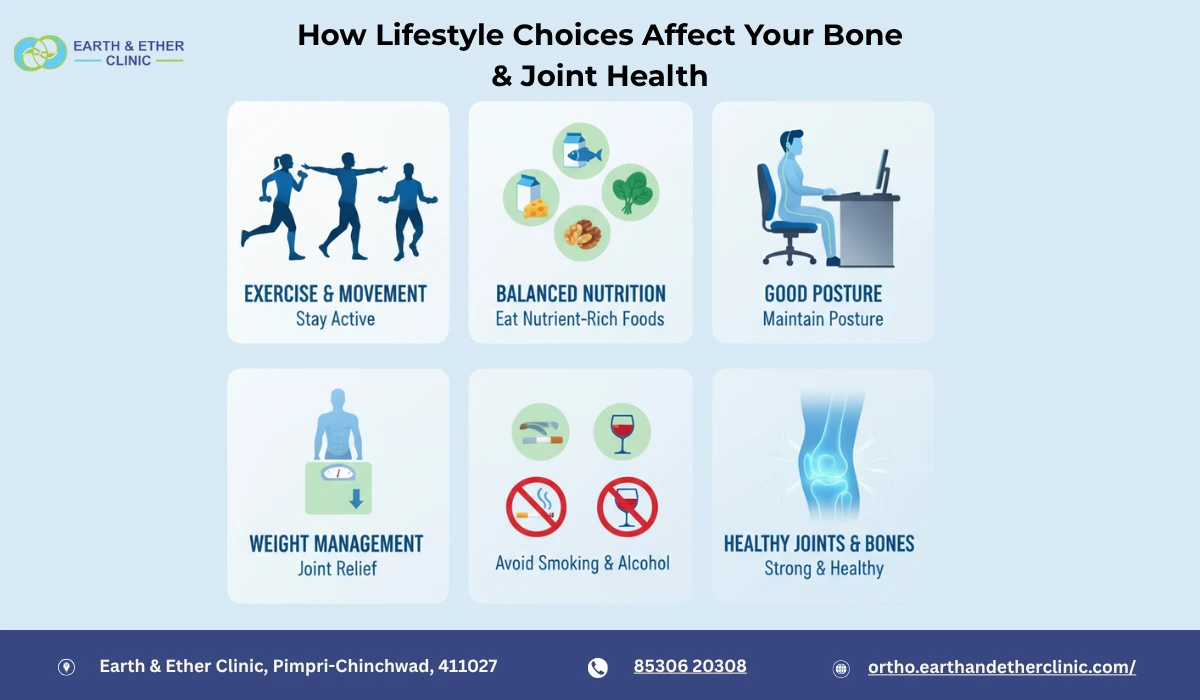
How Lifestyle Choices Affect Your Bone and Joint Health
Our bones and joints are the unsung heroes of our body. They provide structure, enable movement, and support every physical activity we perform — from walking and lifting to dancing and playing sports. Yet, most people only think about bone and joint health when something goes wrong — a fracture, persistent back pain, or stiffness in the knees.
The truth is, many factors that determine your bone and joint health are directly linked to your lifestyle. The way you eat, move, rest, and even handle stress can strengthen or weaken your skeletal system over time. Understanding these influences empowers you to make better choices and prevent many orthopedic issues before they arise.
Let’s explore how your everyday lifestyle habits impact your bones and joints — and what you can do to keep them healthy throughout life.
Physical Activity: The Foundation of Bone and Joint Strength
The human body is designed to move. Regular physical activity is one of the most powerful ways to maintain strong bones and flexible joints. When you engage in exercise, you place stress on your bones — this stimulates bone-building cells and improves density. Similarly, movement keeps the cartilage around joints nourished, preventing stiffness and pain.
a. Weight-Bearing Exercises
Activities like walking, jogging, stair climbing, and dancing put mild stress on your bones, encouraging them to grow stronger. These exercises also enhance balance and coordination, reducing the risk of falls and fractures, especially as you age.
b. Strength Training
Lifting weights or using resistance bands builds muscle mass, which in turn supports your joints and reduces pressure on them. Strong muscles act as shock absorbers for your joints, helping prevent injuries during daily activities or workouts.
c. Flexibility and Balance Training
Yoga, Pilates, and stretching routines improve flexibility, joint range of motion, and body awareness. These practices not only reduce stiffness but also enhance balance, preventing falls — a major cause of fractures in older adults.
d. Avoiding Inactivity
A sedentary lifestyle is one of the biggest threats to bone and joint health. Long hours of sitting reduce blood flow, weaken muscles, and lead to bone loss over time. Even simple actions like taking the stairs, walking after meals, or doing short mobility breaks during work can make a difference.
Key takeaway: Move often, mix strength and flexibility training, and avoid prolonged sitting. Regular movement is the best natural medicine for your bones and joints.
Nutrition: Fuel for Strong Bones and Supple Joints
What you eat directly affects the strength and resilience of your bones and joints. Nutrients like calcium, vitamin D, protein, and omega-3 fatty acids play vital roles in maintaining bone density, joint lubrication, and muscle function.
a. Calcium and Vitamin D
Calcium is the main building block of bones, while vitamin D helps your body absorb it efficiently. Dairy products, leafy greens, almonds, and fortified foods are excellent calcium sources. Sunlight exposure and foods like fatty fish, egg yolks, and fortified milk boost vitamin D levels.
b. Protein for Repair and Growth
Bones and muscles need adequate protein to stay strong and recover from stress. Include lean meats, lentils, tofu, beans, and nuts in your diet to ensure proper tissue repair.
c. Omega-3 Fatty Acids
Omega-3s found in fish, walnuts, and flaxseeds have anti-inflammatory properties that help reduce joint pain and stiffness. They also improve cartilage health and may lower the risk of arthritis progression.
d. Vitamins and Minerals That Matter
Magnesium, zinc, and vitamin K contribute to bone metabolism, while antioxidants like vitamins C and E protect cells from damage caused by inflammation. Fresh fruits, vegetables, and whole grains provide these essential nutrients.
e. Hydration
Joints are cushioned by synovial fluid, which depends on adequate hydration. Drinking enough water helps maintain this lubrication, reducing friction and discomfort during movement.
Key takeaway: A balanced diet rich in calcium, vitamin D, protein, and antioxidants is crucial for long-term bone and joint health.
Weight Management: Lighten the Load on Your Joints
Excess body weight increases mechanical stress on weight-bearing joints like the knees, hips, and ankles. Over time, this pressure wears down cartilage, leading to pain, stiffness, and conditions like osteoarthritis.
Maintaining a healthy weight helps reduce strain, preserve joint function, and enhance mobility. Even a small amount of weight loss can significantly decrease joint pressure and discomfort.
Conversely, being underweight may weaken bones, increasing fracture risk. The goal is to maintain a balanced weight through a combination of nutritious eating and regular exercise.
Key takeaway: Keep your weight within a healthy range to protect your joints from unnecessary stress and preserve mobility as you age.
Posture and Ergonomics: The Way You Sit and Move Matters
Your posture has a direct impact on your bones and joints. Slouching or sitting incorrectly for extended periods can misalign the spine, cause muscular imbalances, and lead to chronic pain.
a. Proper Sitting Posture
Keep your back straight, shoulders relaxed, and feet flat on the floor. Use ergonomic chairs that support your lower back, especially if you work at a desk for long hours.
b. Standing and Walking
Avoid locking your knees while standing. Keep your weight evenly distributed across both feet. When walking, maintain an upright posture and avoid leaning forward or backward.
c. Lifting Techniques
Always bend your knees, not your waist, when lifting heavy objects. Use your leg muscles to lift rather than straining your back.
Key takeaway: Good posture and ergonomics prevent unnecessary strain on joints and spine, promoting lifelong musculoskeletal health.
Lifestyle Habits That Harm Bone and Joint Health
While healthy habits strengthen your body, certain lifestyle choices can do the opposite. Avoiding these will go a long way toward preserving bone density and joint function.
a. Smoking
Smoking restricts blood flow, reduces bone mass, and delays healing after fractures or surgeries. It also interferes with calcium absorption, leading to weaker bones.
b. Excess Alcohol
High alcohol consumption impairs bone formation, dehydrates the body, and increases the risk of falls and fractures. Moderate intake is key to maintaining balance and coordination.
c. Poor Sleep
Sleep is when your body repairs itself. Chronic sleep deprivation elevates inflammation, slows recovery, and affects hormone balance essential for bone growth.
d. High Stress
Stress increases cortisol levels, which can lead to bone loss and muscle tension. Incorporate relaxation techniques like meditation, deep breathing, or outdoor walks into your daily routine.
Key takeaway: Avoid smoking and excessive alcohol, manage stress, and prioritize restful sleep for optimal bone and joint repair.
The Role of Age and Hormones in Bone and Joint Health
As we age, natural wear and tear affect the musculoskeletal system. Bone density decreases, muscle mass declines, and joint cartilage may become thinner. Women, especially after menopause, experience accelerated bone loss due to hormonal changes.
However, adopting the right habits early — regular exercise, balanced nutrition, and preventive screenings — can minimize these effects. Bone density tests and orthopedic consultations are valuable for early detection and management of potential issues.
Key takeaway: Aging is inevitable, but frailty isn’t. Healthy habits and early medical guidance help maintain strong bones and flexible joints throughout life.
When to Seek Medical Help
While lifestyle changes are powerful, some issues require professional care. You should consult a specialist if you experience:
- Persistent joint or back pain
- Stiffness or swelling that doesn’t improve with rest
- Recurrent fractures or injuries from minor falls
- Difficulty walking, bending, or performing routine activities
In such cases, seeking guidance from the Best Orthopedic Surgeon in Pune can help identify underlying problems and offer solutions — from physiotherapy and medication to minimally invasive surgery when necessary.
Expert orthopedic care ensures accurate diagnosis, timely treatment, and personalized advice on exercise, posture, and nutrition for recovery and prevention.
Practical Lifestyle Plan for Bone and Joint Health
Here’s a sample weekly plan that combines all the principles above into easy-to-follow habits:
Daily
- Maintain proper posture while sitting or standing
- Stay hydrated — aim for at least 2 to 2.5 litres of water
- Include calcium and vitamin D-rich foods in your meals
Weekly
- Engage in weight-bearing exercise 3–4 times
- Do strength training twice a week
- Include flexibility workouts like yoga or stretching
- Rest adequately — sleep 7–8 hours every night
- Take sunlight exposure for natural vitamin D
Monthly
- Track your weight and activity levels
- Schedule a check-up if you experience any discomfort
- Consider preventive screening if you are over 40 or have a family history of bone or joint issues
Following this plan builds a strong foundation for lifelong skeletal health.
The Expert Advantage: Guidance from the Best Orthopedic Surgeon in Pune
While self-care goes a long way, professional guidance ensures precision. The best orthopedic surgeon in Pune not only diagnoses and treats conditions like arthritis, fractures, and joint injuries but also emphasizes preventive care. With modern diagnostic tools, minimally invasive techniques, and evidence-based rehabilitation protocols, expert orthopedic care restores mobility and confidence.
Regular consultations also help identify early warning signs of bone or joint deterioration, allowing for timely intervention and lifestyle adjustments. Whether you’re an athlete, office worker, or senior citizen, personalized orthopedic advice can transform your quality of life.
Final Thoughts
Your bones and joints are with you every step of the way — quite literally. They carry your body, absorb shocks, and enable freedom of movement. The choices you make daily — how you move, eat, rest, and care for yourself — shape their strength and longevity.
By embracing a healthy lifestyle, staying active, eating nutrient-rich foods, and avoiding harmful habits, you take control of your musculoskeletal health. And when you need expert support, consulting the Best Orthopedic Surgeon in Pune ensures you receive world-class care tailored to your unique needs.
Strong bones and flexible joints don’t just happen — they’re built by consistent, mindful living. Start today, and your body will thank you for decades to come.
Read Here: Winter Diet for Strong Bones
