
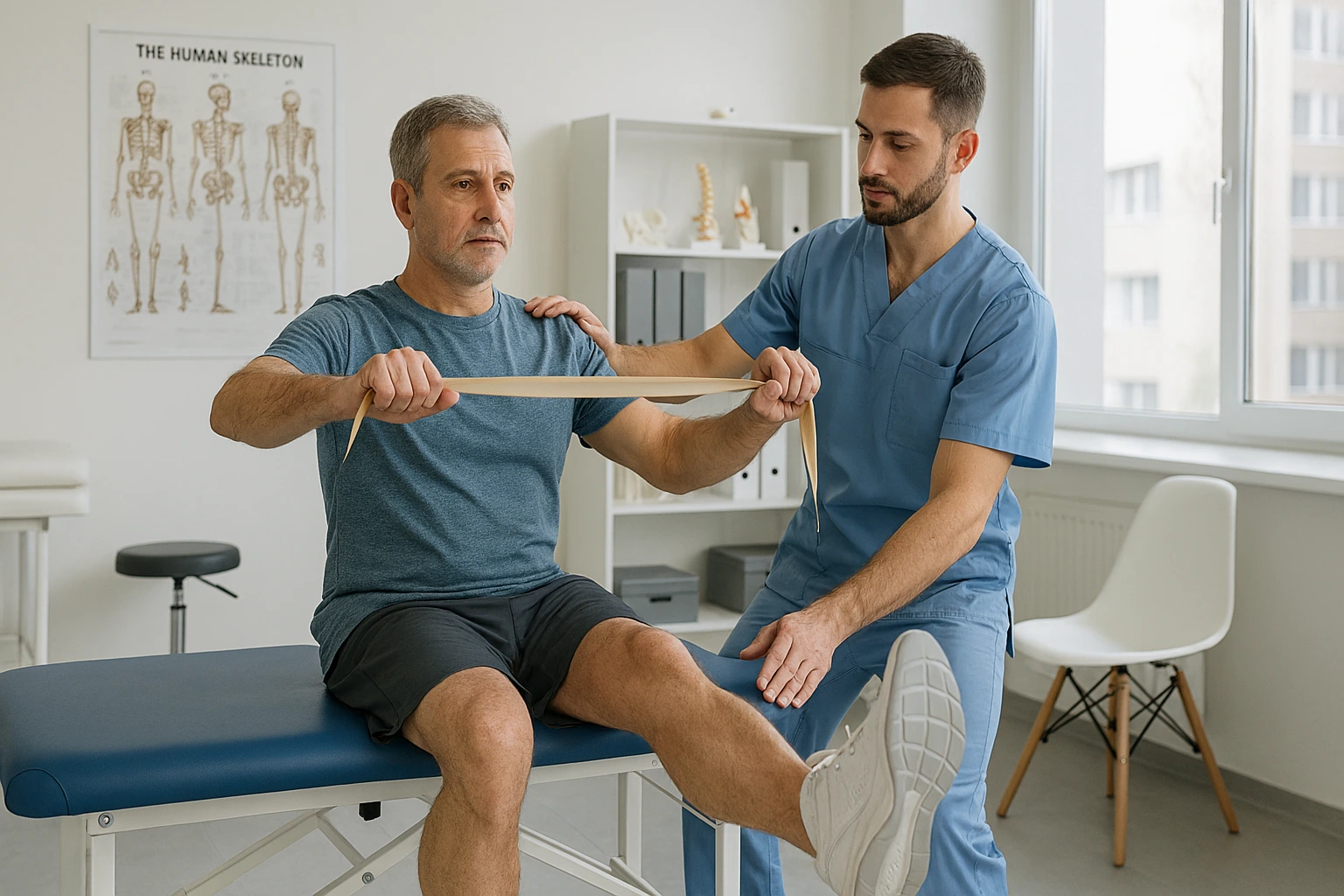
When Physiotherapy Works Better Than Surgery
When people hear the word orthopedic problem, surgery is often the first thing that comes to mind. However, the truth is that many bone, joint, and muscle conditions can be treated effectively without surgery. In fact, physiotherapy is often the first and most successful line of treatment for a wide range of orthopedic issues.
Understanding when physiotherapy works better than surgery can help patients make informed decisions, recover faster, and avoid unnecessary procedures. This blog explains the conditions where physiotherapy is highly effective, how it works, and when surgery may still be required.
What Is Physiotherapy and Why Is It Important?
Physiotherapy focuses on restoring movement, strength, and function through guided exercises, manual therapy, posture correction, and pain-relief techniques. It treats the root cause of pain rather than just masking symptoms.
Physiotherapy helps:
- Reduce pain and inflammation
- Improve joint mobility and flexibility
- Strengthen supporting muscles
- Enhance balance and coordination
- Prevent future injuries
For many patients, a structured physiotherapy program can lead to complete recovery without surgical intervention.
Common Conditions Where Physiotherapy Works Better Than Surgery
1. Lower Back Pain
Most cases of lower back pain are caused by muscle strain, poor posture, or mild disc issues. These conditions respond very well to physiotherapy.
Targeted exercises strengthen the core, improve spinal alignment, and reduce pressure on nerves. Surgery is rarely required unless there is severe nerve compression or loss of function.
2. Knee Pain and Early Arthritis
Early-stage knee arthritis and knee pain caused by muscle imbalance or overuse often improve significantly with physiotherapy.
Benefits include:
- Reduced joint stress
- Improved knee stability
- Better walking mechanics
Many patients delay or completely avoid knee surgery by following a consistent physiotherapy plan under expert guidance from the Best Orthopedic Surgeon in Pune.
3. Shoulder Pain and Rotator Cuff Problems
Shoulder conditions such as frozen shoulder, mild rotator cuff tears, and impingement syndrome often respond better to physiotherapy than surgery.
Physiotherapy helps by:
- Restoring shoulder movement
- Reducing stiffness and pain
- Strengthening shoulder muscles
Early treatment is key to preventing chronic shoulder issues.
4. Neck Pain and Cervical Spondylosis
Neck pain caused by prolonged screen use, poor posture, or mild disc degeneration can usually be managed without surgery.
Physiotherapy focuses on:
- Posture correction
- Neck strengthening exercises
- Pain-relief techniques
Surgery is only considered if symptoms worsen or nerve compression becomes severe.
5. Sports Injuries
Many sports-related injuries such as ligament sprains, muscle tears, and tendon injuries heal well with physiotherapy.
Physiotherapy helps athletes:
- Recover safely
- Regain strength and flexibility
- Return to sports without re-injury
In many cases, surgery can be avoided with early and proper rehabilitation.
6. Ankle, Foot, and Tendon Problems
Conditions like ankle tendonitis, plantar fasciitis, and overuse injuries often improve with physiotherapy.
Stretching, strengthening, and mobility exercises reduce pain and restore normal function without invasive treatment.
Why Physiotherapy Is Often Preferred Over Surgery
Physiotherapy offers several advantages compared to surgery:
- Non-invasive and low risk
- No hospital stay or anesthesia
- Faster recovery in many cases
- Lower cost compared to surgery
- Focuses on long-term joint health
Under the guidance of the Best Orthopedic Surgeon in Pune, physiotherapy is often recommended as the first line of treatment before considering surgery.
When Surgery May Still Be Necessary
While physiotherapy is effective for many conditions, surgery may be required in cases such as:
- Severe fractures
- Complete ligament or tendon tears
- Advanced arthritis with joint destruction
- Nerve damage causing weakness or numbness
- Failure of conservative treatment over time
An orthopedic evaluation helps determine the right approach for each patient.
How Long Does Physiotherapy Take to Show Results?
Most patients begin to notice improvement within a few weeks of regular physiotherapy. The duration depends on:
- Severity of the condition
- Patient’s age and overall health
- Consistency with exercises
- Lifestyle and activity level
Commitment to the program is crucial for successful outcomes.
Choosing the Right Treatment Plan
A personalized treatment plan is essential. An experienced orthopedic specialist assesses the condition through clinical examination and imaging if required, then decides whether physiotherapy, surgery, or a combination of both is needed.
Consulting the Best Orthopedic Surgeon in Pune ensures you receive expert guidance, accurate diagnosis, and a treatment plan focused on long-term recovery rather than quick fixes.
Final Thoughts
Surgery is not always the answer to orthopedic pain. In many cases, physiotherapy offers a safe, effective, and long-lasting solution. Early diagnosis, patient commitment, and professional guidance play a vital role in successful recovery.
If you are experiencing joint pain, stiffness, or limited movement, consult an orthopedic specialist to explore physiotherapy options before considering surgery. The right approach at the right time can help you regain mobility, reduce pain, and return to your daily activities confidently.
FAQs
1) Can physiotherapy completely replace surgery?
In many cases, yes. Conditions like back pain, early arthritis, and shoulder stiffness often improve without surgery.
2) How long should I try physiotherapy before considering surgery?
Most patients should continue physiotherapy for 4–8 weeks before reassessment, unless symptoms worsen.
3) Is physiotherapy effective for chronic joint pain?
Yes, when done consistently, physiotherapy can significantly reduce chronic pain and improve mobility.
4) Does physiotherapy work for older adults?
Absolutely. Physiotherapy is safe and effective for all age groups, including seniors.
5) When is surgery unavoidable?
Surgery is usually required for severe injuries, advanced arthritis, nerve damage, or when physiotherapy fails.
