
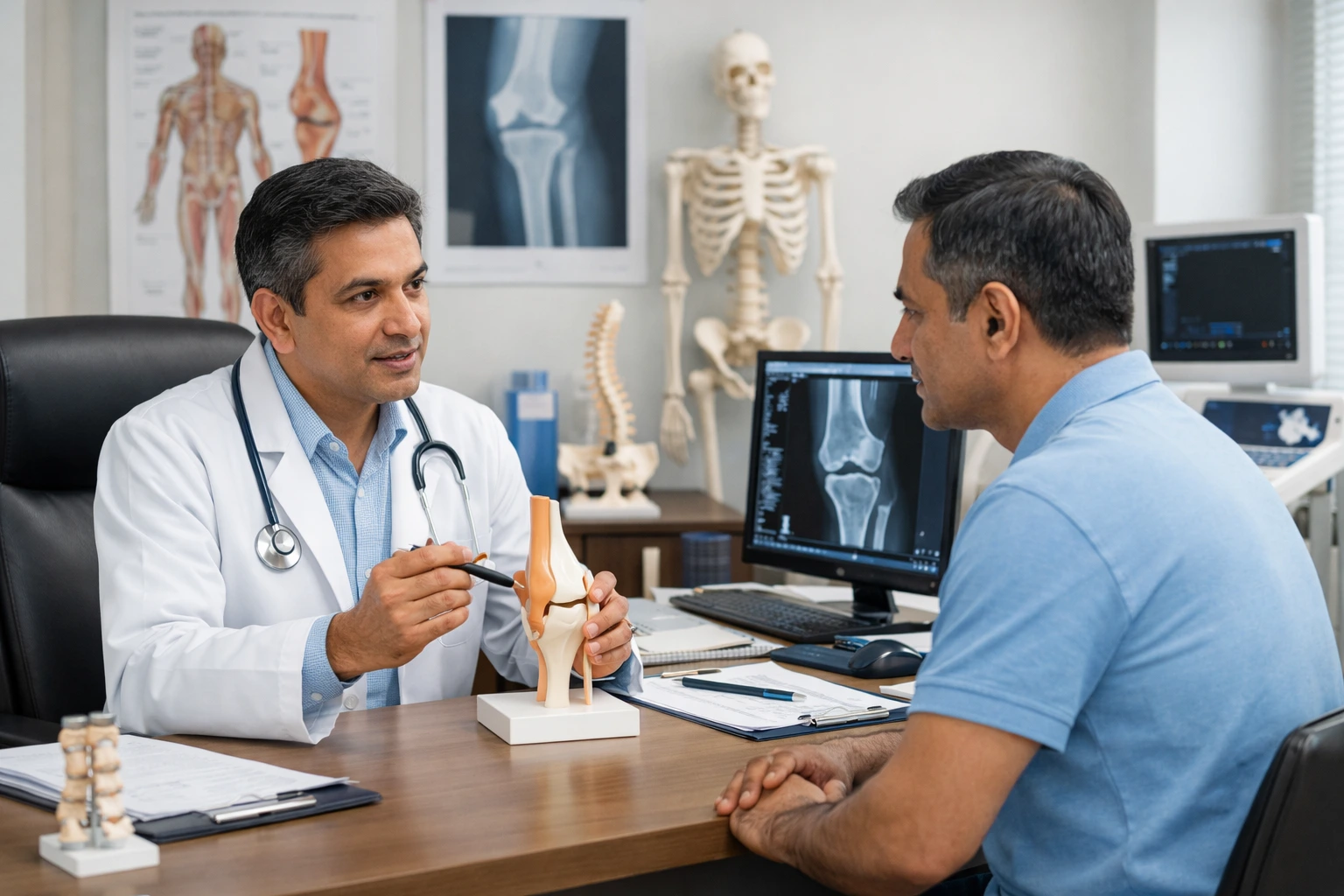
When Should You See an Orthopedic Surgeon in Pune?
Our bones, joints, muscles, and spine play a vital role in our everyday movement. From walking and sitting to lifting and exercising, the musculoskeletal system supports every action. However, pain, stiffness, or injury in any of these areas can slowly disrupt daily life. Many people delay seeking medical attention, hoping the problem will resolve on its own. Unfortunately, ignoring early symptoms often leads to worsening conditions.
Knowing when you should see an orthopedic surgeon in Pune can help you receive timely treatment, avoid complications, and regain mobility faster. This guide explains the common signs and situations where expert orthopedic care becomes essential.
What Does an Orthopedic Surgeon Do?
An orthopedic surgeon specializes in diagnosing, treating, and managing conditions related to bones, joints, ligaments, tendons, muscles, and the spine. They treat a wide range of issues—from simple joint pain to complex injuries and chronic disorders.
Orthopedic treatment is not always surgical. Many conditions are managed with medications, physiotherapy, lifestyle changes, or minimally invasive procedures. Consulting the Best Orthopedic Surgeon in Pune ensures accurate diagnosis and a treatment plan tailored to your needs.
Persistent Joint or Bone Pain
Occasional pain after physical activity or long working hours can be normal. However, pain that lasts for weeks or keeps returning should never be ignored. Persistent discomfort in the knees, hips, shoulders, elbows, or back may indicate an underlying orthopedic condition.
Common causes include:
- Arthritis
- Ligament or tendon injuries
- Cartilage damage
- Early joint degeneration
If pain interferes with your daily routine or sleep, it is time to seek professional evaluation instead of relying on painkillers alone.
Difficulty in Movement or Joint Stiffness
Limited movement or stiffness in a joint can gradually worsen if left untreated. If you notice difficulty in bending your knee, raising your arm, or turning your neck, it could be due to inflammation, muscle imbalance, or joint damage.
Warning signs include:
- Morning stiffness lasting more than 30 minutes
- Reduced flexibility
- Pain during routine movements
Early assessment by an orthopedic surgeon helps prevent permanent joint damage and improves long-term mobility.
Sports Injuries and Physical Trauma
Sports injuries are common among athletes, fitness enthusiasts, and even people engaging in casual physical activities. Injuries such as ligament tears, muscle strains, dislocations, or stress fractures need proper medical evaluation.
You should consult an orthopedic surgeon if:
- Pain persists despite rest and basic treatment
- There is swelling or instability
- You are unable to bear weight on the affected limb
Proper diagnosis and guided rehabilitation help ensure complete recovery and reduce the risk of re-injury.
Fractures or Suspected Bone Injuries
Falls, accidents, or direct trauma can result in fractures or cracks in the bone. Severe pain, swelling, deformity, or inability to move a limb are strong indicators that immediate orthopedic care is required.
Even minor fractures can cause long-term problems if they heal incorrectly. An orthopedic surgeon ensures proper alignment, healing, and restoration of function—whether through casting or surgical intervention.
Back Pain or Neck Pain That Doesn’t Improve
Back and neck pain have become increasingly common due to sedentary lifestyles, long working hours, and poor posture. While mild pain may improve with rest, persistent or worsening pain should not be ignored.
Consult an orthopedic specialist if:
- Pain radiates to the arms or legs
- You experience numbness or tingling
- Pain affects sleep or daily activities
Spinal issues such as disc problems or nerve compression require expert evaluation to prevent long-term complications.
Joint Swelling, Redness, or Warmth
Visible swelling, redness, or warmth around a joint often signals inflammation or internal injury. These symptoms may occur due to arthritis, infection, or trauma.
Ignoring joint swelling can lead to stiffness and reduced function over time. Early orthopedic consultation helps identify the cause and initiate appropriate treatment before the condition worsens.
Numbness, Tingling, or Muscle Weakness
Unusual sensations such as numbness, tingling, or weakness in the arms or legs may indicate nerve involvement. These symptoms often accompany spinal issues or joint compression.
An orthopedic surgeon evaluates nerve function and recommends suitable treatment to prevent permanent nerve damage.
Chronic Conditions Like Arthritis or Osteoporosis
If you have been diagnosed with arthritis, osteoporosis, or other degenerative bone conditions, regular orthopedic care is essential. These conditions progress gradually and can significantly affect mobility if not managed properly.
An experienced orthopedic surgeon helps with:
- Long-term pain management
- Joint preservation strategies
- Preventing fractures and disability
Patients often rely on the Best Orthopedic Surgeon in Pune for personalized care plans that support long-term joint health.
When Non-Surgical Treatments Stop Working
If medications, physiotherapy, or lifestyle changes no longer relieve your symptoms, it may be time to consider advanced orthopedic care. Modern orthopedic treatments focus on minimally invasive procedures that offer faster recovery and better outcomes.
Consulting the Best Orthopedic Surgeon in Pune allows you to explore all available treatment options and choose the most suitable approach for your condition.
Why Early Orthopedic Consultation Matters
Delaying treatment can turn a manageable problem into a serious condition. Early diagnosis helps:
- Reduce pain and inflammation
- Avoid complex surgeries
- Improve recovery time
- Preserve joint function
Taking action at the right time plays a crucial role in maintaining an active and pain-free life.
Conclusion
Orthopedic problems rarely improve on their own when ignored. Persistent pain, stiffness, injuries, swelling, or nerve-related symptoms are clear signs that professional care is needed. Understanding when to see an orthopedic surgeon helps you protect your mobility and overall quality of life.
If bone, joint, or muscle issues are affecting your daily routine, do not wait. Timely consultation ensures accurate diagnosis, effective treatment, and long-lasting relief—helping you move comfortably and confidently again.
FAQs
1. When should I see an orthopedic surgeon?
You should consult an orthopedic surgeon if you have persistent joint or bone pain, limited movement, swelling, fractures, or back and neck pain that does not improve with rest or medication.
2. Is orthopedic consultation only for surgery?
No. Many orthopedic conditions are treated without surgery using medication, physiotherapy, and lifestyle changes. Surgery is recommended only when non-surgical treatments fail.
3. How long should I wait before seeing a specialist for joint pain?
If joint pain lasts more than two to three weeks or keeps recurring, it is advisable to seek orthopedic evaluation.
4. Can an orthopedic surgeon treat sports injuries?
Yes. Orthopedic surgeons specialize in diagnosing and treating sports injuries such as ligament tears, muscle strains, joint instability, and fractures.
5. Should I see an orthopedic surgeon for back or neck pain?
Yes. If back or neck pain radiates to the arms or legs, causes numbness, or affects daily activities, an orthopedic consultation is recommended.
