
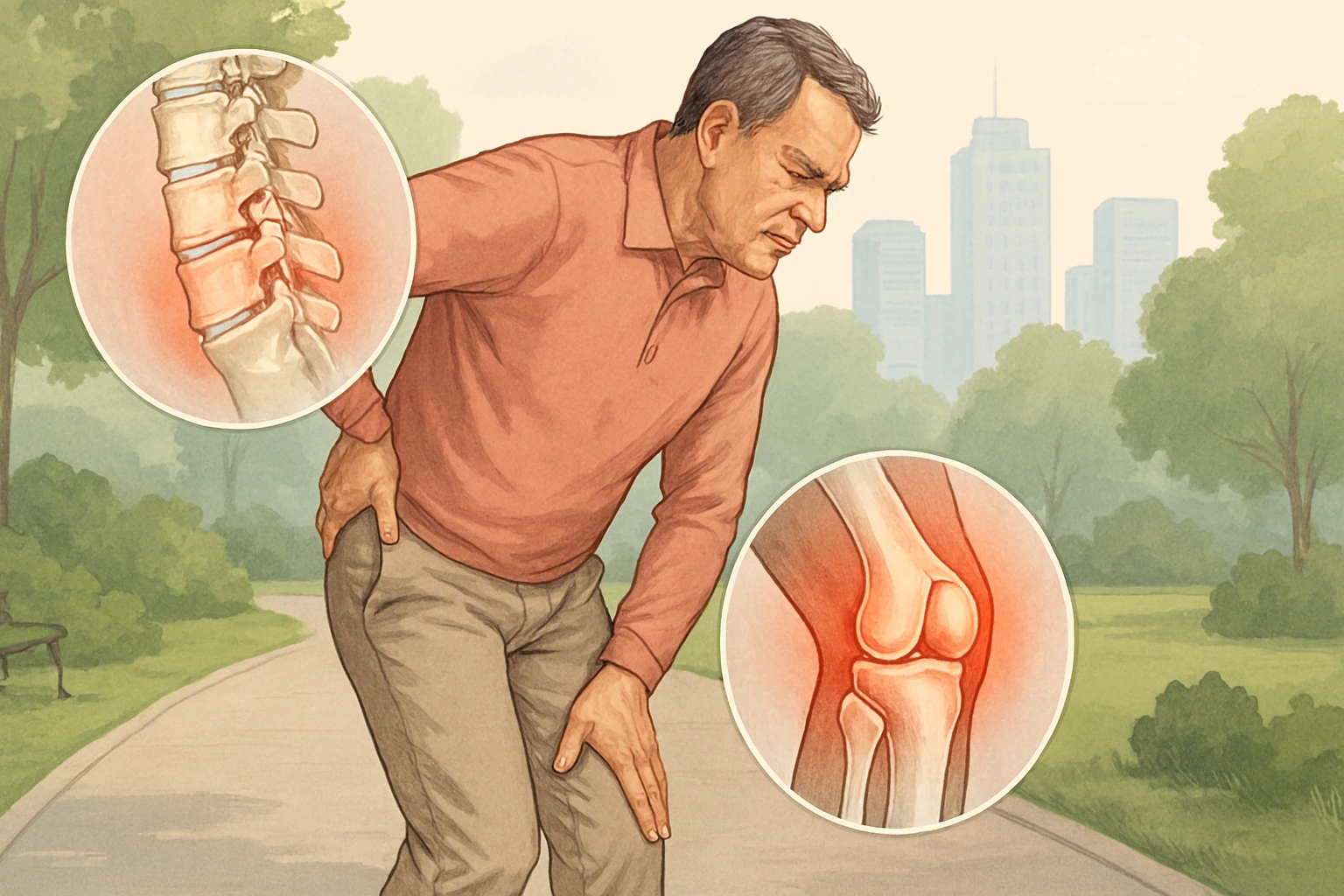
Which Orthopedic Problems Are Common After 40 Years of Age?
Crossing the age of 40 is a significant milestone—not just in life but also for your bone and joint health. Many people begin to notice stiffness, joint pain, or reduced flexibility during this phase. While these changes may seem minor at first, they often signal underlying orthopedic conditions that should not be ignored. Understanding the most common orthopedic problems after 40 Best Orthopedic Surgeon in Pune can help you take timely action and maintain long-term mobility and comfort.
This blog explains the most frequent bone, joint, and spine issues seen after 40, why they occur, and when you should seek professional care.
Why Do Orthopedic Problems Increase After 40?
As we age, our body naturally undergoes wear and tear. After 40, several factors combine to increase orthopedic risks:
- Gradual loss of bone density
- Reduced muscle strength and flexibility
- Cartilage degeneration
- Hormonal changes (especially in women)
- Sedentary lifestyle and long working hours
- Old injuries resurfacing
These factors place extra stress on joints, the spine, and surrounding soft tissues, making orthopedic issues more common.
1. Knee Osteoarthritis
One of the most common orthopedic problems after 40 is knee osteoarthritis. It occurs when the protective cartilage in the knee joint wears down over time.
Common symptoms include:
- Knee pain while walking or climbing stairs
- Stiffness after sitting for long periods
- Swelling around the knee
- Reduced range of motion
Risk factors include excess body weight, previous knee injuries, and repetitive stress on the joint. Early diagnosis and lifestyle modifications can slow disease progression.
2. Lower Back Pain and Spine Degeneration
Back pain becomes increasingly common after 40 due to degenerative changes in the spine. Conditions such as lumbar spondylosis, disc degeneration, and facet joint arthritis often develop gradually.
Warning signs:
- Persistent lower back pain
- Pain radiating to legs
- Stiffness in the morning
- Difficulty standing or walking for long periods
Poor posture, desk jobs, lack of exercise, and improper lifting techniques worsen spinal issues.
3. Cervical Spondylosis (Neck Problems)
Neck pain and stiffness are frequent complaints among individuals over 40, especially those working long hours on computers or mobile devices.
Common symptoms:
- Neck pain and stiffness
- Shoulder pain
- Headaches
- Tingling or numbness in arms
Cervical spondylosis develops due to wear and tear of cervical discs and joints. Timely intervention can prevent nerve compression and chronic pain.
4. Shoulder Pain and Rotator Cuff Disorders
Shoulder problems often increase after 40 due to degeneration of tendons and reduced blood supply.
Common shoulder conditions include:
- Rotator cuff tears
- Frozen shoulder
- Shoulder impingement syndrome
Symptoms may include pain while lifting the arm, difficulty sleeping on one side, and restricted movement. Diabetes and thyroid disorders further increase the risk.
5. Hip Joint Problems
Hip pain after 40 can be caused by early arthritis, muscle imbalance, or cartilage damage.
Signs to watch for:
- Pain while walking or standing
- Stiffness in the groin or thigh
- Reduced hip movement
Ignoring early hip pain may lead to progressive joint damage requiring more intensive treatment later.
6. Osteoporosis and Reduced Bone Density
Bone density begins to decline after 40, particularly in women after menopause. Osteoporosis weakens bones and increases the risk of fractures from minor falls.
Risk factors include:
- Calcium and vitamin D deficiency
- Hormonal changes
- Smoking and alcohol consumption
- Family history
Regular bone health assessments are crucial to prevent fractures.
7. Tendonitis and Ligament Injuries
After 40, tendons lose elasticity and heal more slowly, increasing the risk of tendonitis.
Common types:
- Tennis elbow
- Achilles tendonitis
- Plantar fasciitis
These conditions cause pain during movement and may become chronic if untreated.
8. Foot and Ankle Problems
Foot pain becomes more common due to changes in foot structure and prolonged standing or walking.
Common conditions:
- Heel pain
- Flat feet
- Ankle stiffness
Improper footwear often worsens foot-related orthopedic issues.
When Should You See an Orthopedic Specialist?
You should consult an orthopedic expert if you experience:
- Persistent joint or back pain lasting more than two weeks
- Pain affecting daily activities
- Stiffness or reduced mobility
- Swelling, numbness, or weakness
- Pain that worsens with age
Early diagnosis by the Best Orthopedic Surgeon in Pune can help prevent long-term joint damage and avoid surgical interventions in many cases.
Preventing Orthopedic Problems After 40
Prevention plays a key role in maintaining orthopedic health. Here are some practical tips:
- Maintain a healthy weight
- Stay physically active with low-impact exercises
- Practice good posture
- Strengthen core and joint-supporting muscles
- Eat a balanced diet rich in calcium and vitamin D
- Avoid prolonged sitting
- Get regular health check-ups
Consulting the Best Orthopedic Surgeon in Pune can help you create a personalized bone and joint care plan based on your age and lifestyle.
Final Thoughts
Orthopedic problems after 40 are common but not inevitable. Paying attention to early symptoms, making lifestyle changes, and seeking timely medical advice can help you stay active and pain-free for years to come. Whether it’s knee pain, back stiffness, or shoulder discomfort, addressing the issue early makes a significant difference in long-term outcomes.
For expert diagnosis, advanced treatment options, and personalized care, consulting the Best Orthopedic Surgeon in Pune ensures you receive the right guidance to protect your bone and joint health beyond 40.
FAQ
- Is joint pain after 40 normal?
Mild stiffness can be common, but persistent or worsening joint pain is not normal and should be evaluated. - Which joint problems are most common after 40?
Knee arthritis, back pain, neck stiffness, shoulder problems, and early bone density loss are most common. - Can orthopedic problems after 40 be prevented?
Yes. Regular exercise, weight management, proper posture, and early medical consultation help prevent progression. - When should I see an orthopedic doctor after 40?
If pain lasts more than two weeks, limits movement, or affects daily activities, you should consult a specialist. - Does everyone need surgery for age-related orthopedic problems?
No. Most conditions can be managed with lifestyle changes, physiotherapy, and non-surgical treatments if detected early.
