
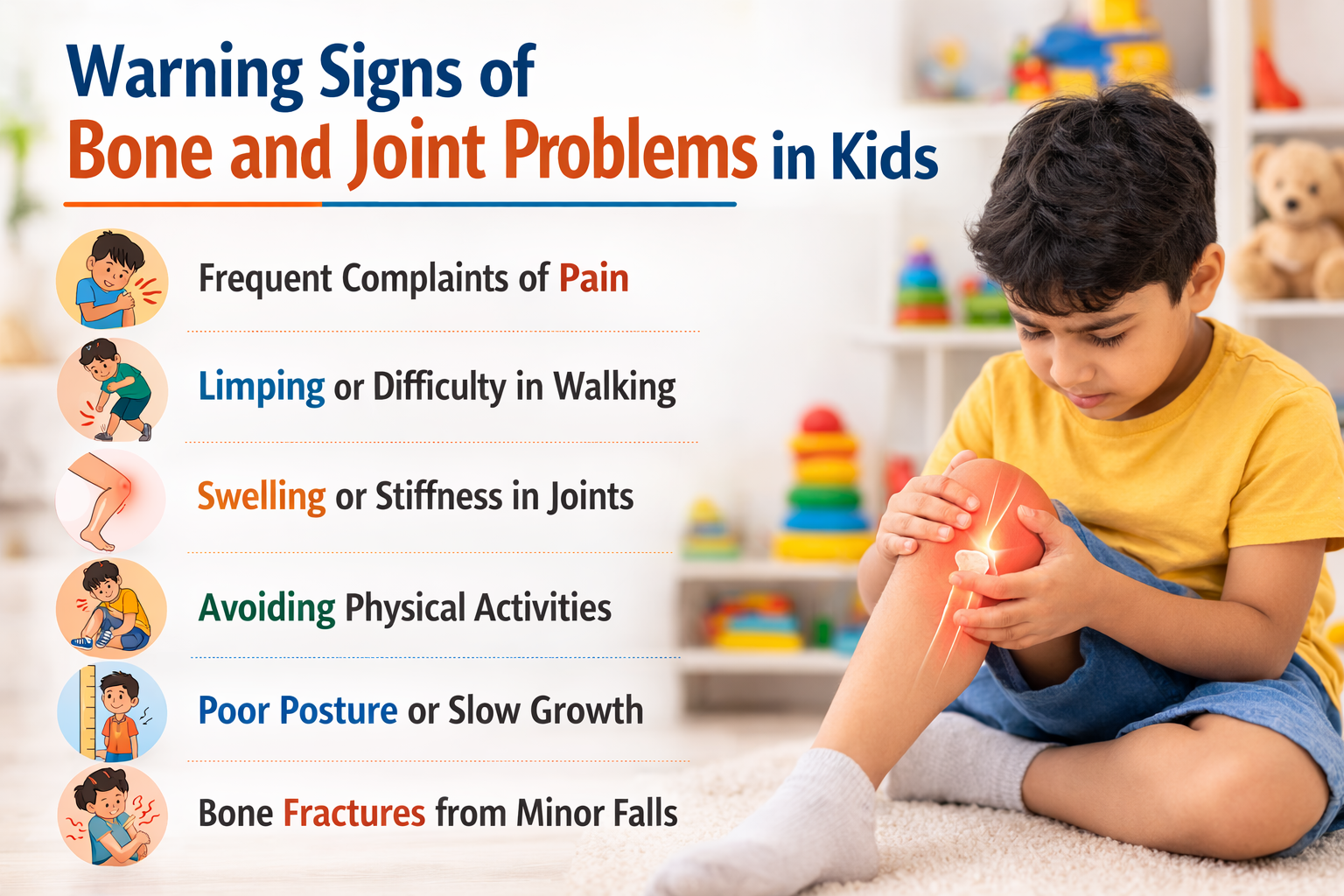
Children are naturally active, and minor bumps or aches are common as they grow. However, persistent pain, swelling, or movement issues may signal underlying bone or joint problems that need medical attention. Early diagnosis and treatment can prevent long-term complications and help children maintain healthy growth and mobility.
At Earth & Ether Clinic, Dr. Shrirang Kulkarni evaluates and treats pediatric orthopedic conditions with a focus on early diagnosis, proper treatment, and long-term bone health for growing children.
Understanding Bone and Joint Health in Children
Children’s bones are still developing, making them different from adult bones. Growth plates, cartilage, and developing joints are more vulnerable to injury and certain medical conditions.
A consultation with a Pediatric orthopedic surgeon in Pune can help identify problems early and guide parents toward the right treatment plan.
Common Causes of Bone and Joint Problems in Kids
Several conditions can affect the bones and joints of children. Some may be temporary, while others require medical intervention.
Growth-Related Issues
During rapid growth phases, children may experience discomfort or alignment problems.
Examples include:
-
Growing pains
-
Flat feet
-
Knock knees
-
Bow legs
Injuries and Trauma
Active children are more prone to injuries such as:
-
Fractures
-
Ligament sprains
-
Joint dislocations
Early evaluation by Pediatric Orthopedic surgeons in Pune ensures proper healing and prevents complications.
Congenital Conditions
Some children are born with orthopedic issues such as:
-
Developmental dysplasia of the hip (DDH)
-
Clubfoot
-
Limb length differences
Infections and Inflammation
Conditions like bone infections or juvenile arthritis can cause joint pain and swelling.
Warning Signs of Bone and Joint Problems in Kids
Parents should watch for certain symptoms that may indicate an orthopedic issue.
Persistent Joint or Bone Pain
Occasional pain after physical activity is normal, but persistent pain lasting several days should not be ignored.
When to Be Concerned
-
Pain that wakes the child at night
-
Pain that worsens with movement
-
Pain accompanied by swelling
Consulting the Best Orthopedic Surgeon in Pune can help determine whether the pain is related to growth, injury, or a medical condition.
Swelling Around Joints
Visible swelling in knees, ankles, wrists, or elbows may indicate inflammation, infection, or injury.
Symptoms That May Accompany Swelling
-
Warmth around the joint
-
Redness
-
Difficulty moving the joint
Early medical attention can prevent long-term joint damage.
Difficulty Walking or Limping
If a child suddenly starts limping or avoids putting weight on a leg, it may signal an underlying problem.
Possible Causes
-
Hip disorders
-
Muscle injuries
-
Bone fractures
-
Joint inflammation
Parents often search for the Best Orthopedic Doctor Near Me when these symptoms appear, as timely diagnosis is crucial.
Limited Range of Motion
Children should be able to move their arms and legs freely during daily activities. Difficulty bending, stretching, or rotating joints may indicate:
-
Joint stiffness
-
Muscle tightness
-
Structural abnormalities
A pediatric orthopedic evaluation can help identify the cause.
Uneven Shoulders or Limb Length Differences
If one shoulder appears higher than the other or if one leg seems shorter, it may indicate skeletal alignment issues.
Conditions Linked to These Symptoms
-
Scoliosis
-
Limb length discrepancy
-
Hip disorders
An evaluation by the Best Orthopedic Doctor in Pimpri Chinchwad can help diagnose and manage these conditions early.
Frequent Falls or Poor Balance
Children learning to walk may fall often, but older children who frequently lose balance may have musculoskeletal or neurological issues.
Warning Signs Include
-
Repeated tripping
-
Weakness in the legs
-
Poor coordination
Seeking advice from a Pediatric Orthopedic Surgeon Near Me can help identify whether the issue is orthopedic or developmental.
Visible Deformities in Bones or Joints
Any visible deformity, such as bowed legs, curved spine, or abnormal joint alignment, should be evaluated promptly.
Early treatment often prevents the need for surgery later in life.
When Should Parents Consult a Pediatric Orthopedic Specialist?
Parents should seek medical attention if:
-
Pain persists for more than a few days
-
A child refuses to walk or run
-
Swelling or redness appears around joints
-
There are visible bone deformities
-
The child experiences repeated fractures
Early diagnosis by Dr. Shrirang Kulkarni at Earth & Ether Clinic can significantly improve outcomes and help children return to normal activities quickly.
Diagnosis of Pediatric Bone and Joint Problems
Accurate diagnosis is essential for effective treatment.
Medical Evaluation
The doctor will assess:
-
Child’s medical history
-
Growth patterns
-
Physical examination of joints and bones
Imaging Tests
Depending on the symptoms, tests may include:
-
X-rays
-
MRI scans
-
Ultrasound
These tests help identify structural abnormalities or injuries.
Treatment Options for Bone and Joint Conditions in Kids
Treatment depends on the specific condition and severity.
Non-Surgical Treatments
Many pediatric orthopedic conditions can be treated without surgery.
Common options include:
-
Physical therapy
-
Bracing or orthotics
-
Activity modification
-
Medications
Surgical Treatments
In severe cases, surgery may be required to correct deformities or repair injuries.
Treatment plans are customized based on the child’s age and condition.
Tips to Maintain Healthy Bones and Joints in Children
Parents can support their child’s bone health through simple lifestyle habits.
Encourage Physical Activity
Regular exercise strengthens bones and muscles.
Ensure Proper Nutrition
Foods rich in calcium and vitamin D support bone development.
Maintain Good Posture
Correct posture helps prevent spinal and joint problems.
Prevent Sports Injuries
Using proper protective gear during sports reduces injury risk.
People Also Ask
Q1. What are common bone problems in children?
Common conditions include fractures, scoliosis, clubfoot, hip dysplasia, and growth plate injuries.
Q2. When should I worry about my child’s leg pain?
If leg pain lasts several days, occurs frequently, or affects walking, medical evaluation is recommended.
Q3. Can children outgrow bone problems?
Some mild conditions improve with growth, but others require treatment to prevent long-term complications.
Q4. What doctor treats bone problems in children?
A pediatric orthopedic specialist focuses on diagnosing and treating bone and joint conditions in children.
Q5. Is limping in children always serious?
Occasional limping may occur due to minor injuries, but persistent limping should be evaluated by a specialist.
Conclusion
Bone and joint problems in children can affect growth, mobility, and overall development if not addressed early. Recognizing warning signs such as persistent pain, swelling, limping, or deformities is essential for timely medical care.
Parents should not ignore these symptoms, as early diagnosis and treatment can prevent complications. Consulting an experienced pediatric orthopedic specialist ensures that children receive the right care to maintain healthy bones and active lifestyles.
