
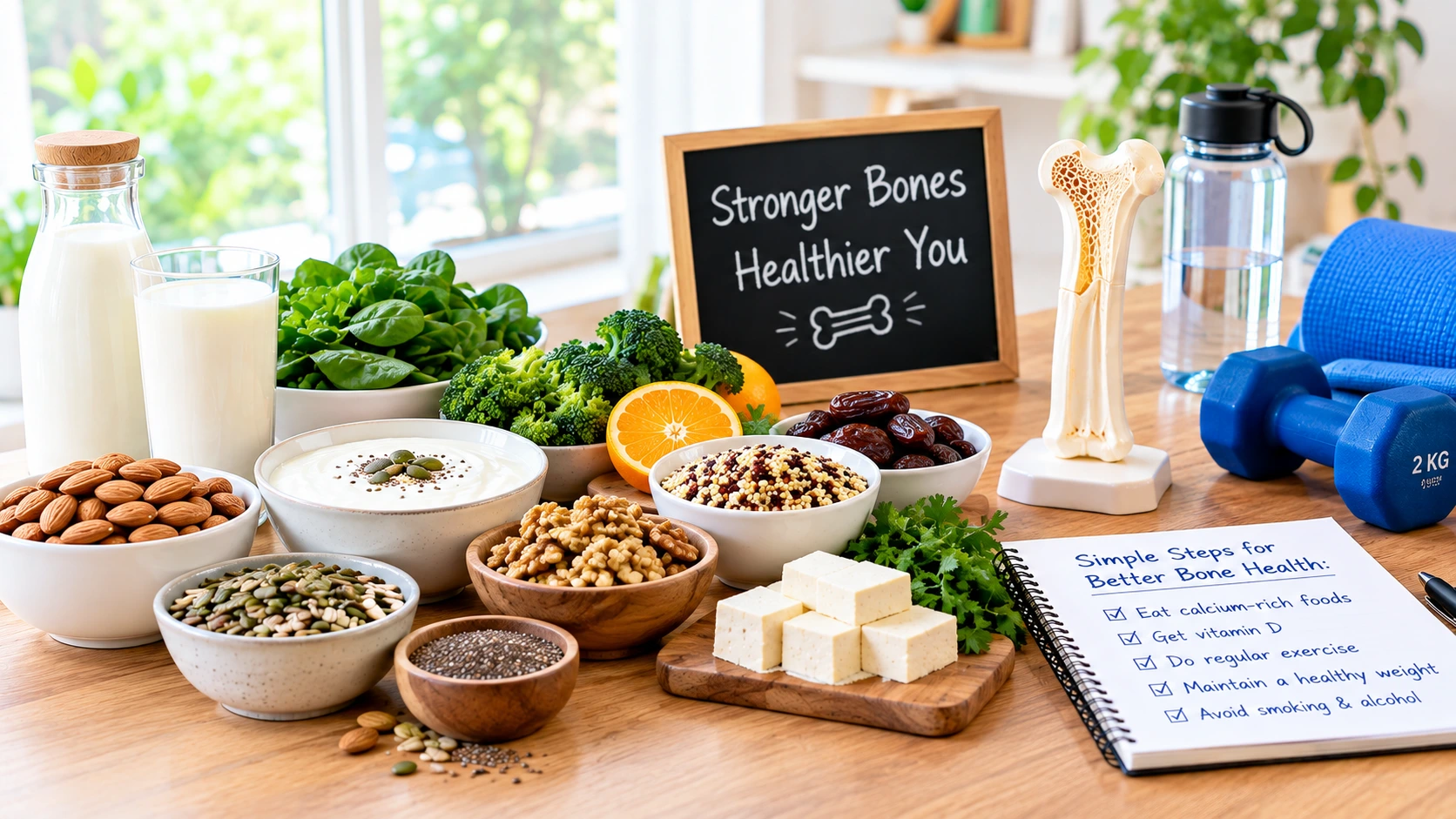
Bones are living tissue, constantly breaking down and rebuilding themselves. In youth, the body builds bone faster than it loses it. After about age 30, that balance slowly shifts, and by midlife, bone loss begins to outpace bone formation. The result can be osteopenia, osteoporosis, and a higher risk of fractures in the hip, spine, and wrist. The good news is that bone health is far from fixed. With the right lifestyle habits, nutrition, and medical guidance, you can improve bone strength and significantly lower your fracture risk at any age.
Why Bones Weaken With Age
Several factors contribute to declining bone density over time:
- Hormonal changes, especially the drop in estrogen after menopause and lower testosterone in older men
- Reduced calcium and vitamin D absorption, which becomes less efficient with age
- Sedentary lifestyle, since bones need mechanical stress to stay strong
- Chronic conditions and medications, such as long-term steroid use, thyroid disorders, or diabetes
- Smoking and excess alcohol, which accelerate bone loss
Because bone loss is silent, many people discover it only after a fracture. That’s why prevention and early screening matter so much.
Nutrition for Stronger Bones
Calcium
Adults generally need 1,000 to 1,200 mg of calcium daily. Good sources include milk, curd, paneer, ragi, sesame seeds, almonds, tofu, and leafy greens like spinach and moringa leaves. Food sources are preferred over supplements, which should be taken only on medical advice.
Vitamin D
Vitamin D helps the body absorb calcium. Despite plenty of sunshine in India, vitamin D deficiency is remarkably common. Aim for 15 to 20 minutes of morning sun exposure several times a week, and ask your doctor about a blood test and supplementation if levels are low.
Protein and Other Nutrients
Bone is about 50 percent protein by volume. Include dal, eggs, fish, lean meat, and legumes in your diet. Magnesium, vitamin K, and vitamin C also play supporting roles in bone formation.
Exercise: The Best Medicine for Your Skeleton
Bones respond to load, so the right kind of movement makes them denser and stronger.
- Weight-bearing exercises: brisk walking, jogging, dancing, and climbing stairs
- Resistance training: light weights, resistance bands, or bodyweight exercises two to three times a week
- Balance training: yoga, tai chi, and single-leg stands to reduce the risk of falls
- Posture and core work: strengthening the back and abdominal muscles to protect the spine
Always start gradually, especially if you already have low bone density, and get professional guidance on safe exercises.
Prevent Falls, Prevent Fractures
Most fractures in older adults result from falls. Simple home modifications can make a major difference:
- Remove loose rugs and clutter from walkways
- Install grab bars in bathrooms and good lighting on stairs
- Wear supportive, non-slip footwear
- Get your vision and hearing checked regularly
- Review medications with your doctor, as some cause dizziness
Bone Health Begins in Childhood
Peak bone mass is built during childhood and adolescence, and it determines how much of a reserve you carry into old age. Children who get enough calcium, vitamin D, and active play build stronger skeletons. A Pediatric orthopedic surgeon in Pune can evaluate growing children for deficiencies or developmental concerns, reminding us that lifelong bone strength is a journey that starts early.
Screening and Early Detection
A bone mineral density (DEXA) scan is the standard test to diagnose osteopenia and osteoporosis. It is generally recommended for women over 50 to 55, men over 65, and anyone with risk factors such as a family history of fractures, early menopause, or long-term steroid use.
If you’re unsure where to start, searching for the Best Orthopedic Doctor Near Me and booking a bone health consultation is a practical first step. An early assessment can identify risks long before a fracture happens, giving you time to act.
Medical Treatment for Osteoporosis
When lifestyle measures aren’t enough, doctors may recommend medications that slow bone loss or stimulate new bone growth. These include bisphosphonates, calcium and vitamin D therapy, hormone-related treatments, and newer injectable agents. The right choice depends on your age, bone density results, and overall health, which is why a personalized plan from a specialist matters.
If you’re looking for the Best Orthopedic Surgeon in Pune to guide you through diagnosis and treatment, choose someone who looks at the whole picture, including nutrition, activity levels, medication history, and fracture risk, rather than treating the scan result alone.
When a Fracture or Joint Damage Occurs
Despite our best efforts, some fractures, particularly hip fractures, may need surgery. Weak bones can also accelerate joint damage, sometimes leading to arthritis and the need for replacement. Patients exploring the Best Joint Replacement in Pimpri Chinchwad should look for a clinic that combines surgical expertise with strong rehabilitation support, since early mobilization after surgery is critical for bone and muscle recovery.
Expert Orthopedic Care Close to Home
At Earth & Ether Clinic, Dr. Shrirang Kulkarni offers comprehensive evaluation for bone and joint health, from preventive guidance and fracture care to advanced orthopedic treatment, with a patient-first approach tailored to every age group.
Convenience matters when you’re managing long-term bone health. Residents searching for the Best Orthopedic Doctor in Pimpri Chinchwad can access specialized care without long commutes, making regular follow-ups easier to maintain. Likewise, families in the surrounding area often look for an Orthopedic Doctor in Rahatani who can address concerns for both older parents and growing children under one roof.
Frequently Asked Questions (FAQs)
Q1: Can bone density be improved after 50?
Yes. While you may not rebuild bone as quickly as in youth, a combination of weight-bearing exercise, proper nutrition, vitamin D, and medication when needed can slow loss and even increase bone density.
Q2: What are the early signs of weak bones?
Often there are none. Warning signs can include loss of height, a stooped posture, back pain, or a fracture from a minor fall.
Q3: How much exercise is enough for bone health?
Around 30 minutes of weight-bearing activity most days, along with strength training two to three times weekly, is a good target for most adults.
Q4: Are calcium supplements safe for everyone?
Not always. Excess calcium can cause kidney stones or other issues, so take supplements only after consulting your doctor.
Q5: Who should get a bone density test?
Women over 50 to 55, men over 65, and anyone with risk factors like early menopause, steroid use, or a previous fracture should consider a DEXA scan.
Q6: Can osteoporosis be reversed?
It cannot always be fully reversed, but with proper treatment, fracture risk can be dramatically reduced.
Conclusion: Protect Your Bones Today
Strong bones don’t happen by accident. They are built through consistent nutrition, movement, safe habits, and timely medical care. Whether you’re 35 or 75, it’s never too early or too late to invest in your skeletal health.
Book a bone health consultation with Dr. Shrirang Kulkarni at Earth & Ether Clinic today. Get a personalized assessment, understand your fracture risk, and take the first step toward stronger bones and a more active, confident future.
