
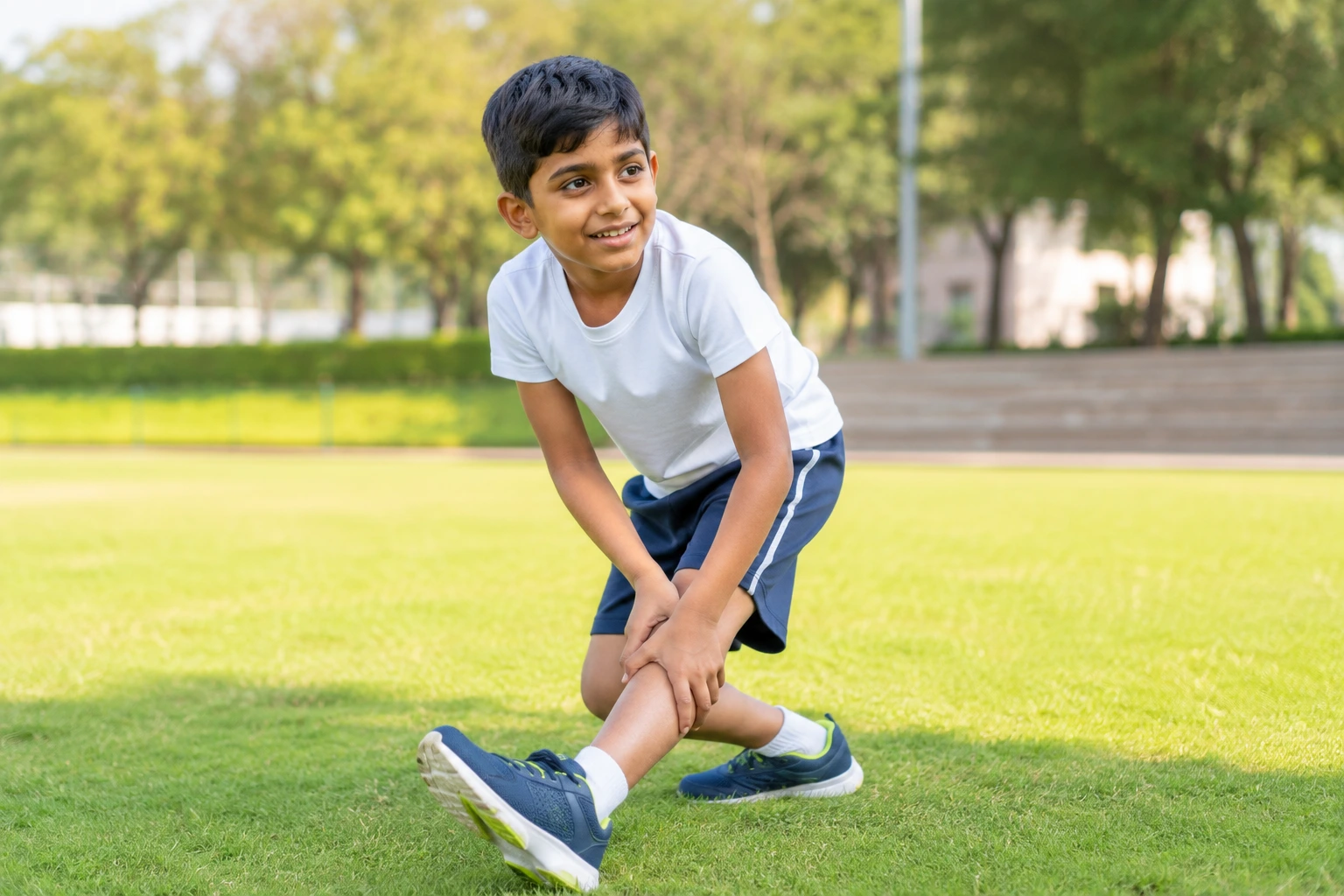
Introduction: Why Your Child’s Knees Deserve Attention Early
Childhood is a season of constant motion — running across playgrounds, climbing stairs two at a time, cycling around the block, and jumping into every puddle in sight. Behind all this energy are two small but incredibly hardworking joints: the knees. Yet, most parents only think about knee health when something goes visibly wrong, like a limp, a swelling, or a complaint of pain after sports. The truth is, knee health in children is something that develops silently over years, shaped by posture, activity levels, footwear, nutrition, and how early issues are identified and managed.
Strong knees aren’t just about avoiding injury today — they are the foundation for an active, pain-free adulthood. This is why early orthopedic care, guided by the right specialist, plays such a critical role in a child’s overall physical development.
Understanding How a Child’s Knee Develops
Unlike adult knees, a child’s knee joint is still growing. It contains growth plates — softer areas of developing cartilage near the ends of the bones — that are more vulnerable to stress, misalignment, and injury than mature bone. This is precisely why knee issues in children cannot simply be treated the same way as knee problems in adults.
As children grow, their bones, ligaments, and muscles develop at different rates, which can sometimes cause temporary alignment issues such as knock-knees or bow-legs. In most cases, these resolve naturally with growth. However, in some children, these patterns persist or worsen, leading to discomfort, abnormal gait, or long-term joint stress if left unaddressed. Recognizing the difference between a normal developmental stage and a condition that needs medical attention requires an expert eye — someone trained specifically in pediatric musculoskeletal growth.
Common Knee Concerns Parents Should Watch For
Many knee problems in children go unnoticed simply because kids are naturally resilient and rarely complain unless the discomfort becomes significant. Parents should stay alert to a few warning signs:
- Persistent limping or favoring one leg
- Swelling around the knee joint without a clear injury
- Complaints of pain during or after physical activity, especially at night (sometimes called growing pains, though not always harmless)
- Difficulty running, jumping, or climbing stairs compared to peers
- Visible bowing or knock-knee pattern that seems to worsen over time
- Frequent knee “giving way” or instability during play
While occasional aches after an active day are normal, recurring or worsening symptoms should never be dismissed. Early evaluation by a specialist ensures that minor issues don’t evolve into long-term mobility challenges.
Why Early Intervention Makes All the Difference
Children’s bones and joints have a remarkable capacity to remodel and heal — but only within a certain window. Because growth plates are still active, appropriately timed intervention can guide bone development in a healthier direction, correcting alignment issues naturally as the child continues to grow. Waiting too long, on the other hand, may mean that once growth plates close, some corrections become far more complex, sometimes requiring surgical intervention instead of conservative management.
This is where consulting a Pediatric orthopedic surgeon in Pune becomes essential rather than optional. A specialist trained specifically in children’s bone and joint health understands growth patterns, can distinguish between benign developmental variations and true pathology, and can recommend interventions — from physiotherapy and bracing to activity modification — that align with a child’s growth trajectory rather than working against it.
Everyday Habits That Build Stronger Knees
Prevention is always more effective than correction, and the good news is that building strong, resilient knees doesn’t require anything extraordinary. It starts with consistent, simple habits woven into daily life.
1. Encourage Varied Physical Activity Repetitive strain from a single sport, especially at a young age, can overload specific muscle groups and joints. Encouraging children to participate in a mix of activities — swimming, cycling, running, and age-appropriate strength exercises — helps build balanced muscular support around the knee.
2. Prioritize Proper Footwear Ill-fitting or unsupportive shoes can alter gait and place uneven stress on growing joints. Footwear should offer good arch support and be replaced regularly as feet grow.
3. Maintain a Healthy Body Weight Excess body weight places additional mechanical stress on developing knee joints. A balanced diet combined with regular activity supports both healthy growth and joint protection.
4. Focus on Nutrition for Bone Health Calcium, vitamin D, and protein-rich foods support strong bone density during the critical growth years. Adequate sunlight exposure and a nutrient-dense diet go a long way in strengthening the skeletal framework.
5. Warm-Up Before Sports Encouraging children to stretch and warm up before intense physical activity — something often skipped in casual play — helps prepare muscles and ligaments, reducing the risk of strain or injury.
When Should You Consult a Specialist?
Many parents wonder at what point a knee complaint moves from “normal childhood ache” to “needs a doctor’s opinion.” As a general guideline, a consultation is recommended if pain persists beyond a few days, recurs frequently, is accompanied by swelling or warmth, affects the child’s ability to walk normally, or if there is any visible deformity in the leg alignment. Even without alarming symptoms, a routine check during rapid growth phases — such as the pre-teen growth spurt — can help catch subtle alignment concerns early.
Parents searching for the Best Orthopedic Doctor Near Me often find that early screening, even when nothing seems seriously wrong, provides valuable peace of mind and sets a proactive tone for the child’s long-term joint health.
Meet the Specialist Guiding Pune’s Families
Dr. Shrirang Kulkarni brings years of dedicated experience in diagnosing and treating musculoskeletal conditions in children, combining clinical precision with a gentle, child-friendly approach that puts young patients at ease. Known among parents as the best pediatric orthopedic consultant in Pune, his practice focuses on age-appropriate, minimally invasive treatment plans that work in harmony with a child’s natural growth process rather than disrupting it.
At Earth & Ether Clinic, the philosophy centers around comprehensive, family-involved care — every treatment plan is explained clearly to parents, ensuring they understand not just the “what” but the “why” behind each recommendation. Whether it’s a routine alignment check, an injury evaluation, or long-term management of a developmental condition, families receive attentive, evidence-based care in a comfortable setting.
For families in the western part of the city, finding the Best Orthopedic Doctor in Pimpri Chinchwad who specializes in children’s needs can make a significant difference in early diagnosis and treatment outcomes. Similarly, those seeking a Pediatric Orthopedic Surgeon Near Me for a second opinion or ongoing care often value the continuity and trust built through consistent, specialized attention.
For sports-related injuries or persistent joint discomfort in growing children, working with a dedicated Knee specialist in pimpri chinchwad ensures that treatment is tailored specifically to a young, still-developing joint rather than generic adult protocols.
Parents across the region also recognize this practice as home to the Best Orthopedic Surgeon in Pune, particularly for cases requiring a careful, growth-conscious approach to diagnosis and treatment.
Frequently Asked Questions
Q1. At what age should my child have their first knee check-up?
There’s no fixed age requirement, but if your child shows any signs of discomfort, abnormal gait, or visible leg misalignment, a check-up is recommended regardless of age. Routine screening during major growth spurts is also beneficial.
Q2. Are knock-knees or bow-legs always a cause for concern?
Not always. Many children naturally pass through these phases as part of normal development. However, persistent or worsening patterns beyond expected ages should be evaluated by a specialist.
Q3. Can sports injuries in children heal on their own?
Minor strains often resolve with rest, but injuries involving swelling, instability, or persistent pain should be professionally assessed to rule out growth plate involvement.
Q4. Is surgery usually required for pediatric knee issues?
Most childhood knee concerns are managed conservatively through physiotherapy, activity modification, or bracing. Surgery is considered only when necessary, and always with the child’s growth in mind.
Q5. How can I help prevent knee problems in my active child?
Balanced activity, proper footwear, healthy nutrition, and regular warm-ups before sports are simple but effective preventive measures.
Give Your Child’s Knees the Care They Deserve
An active childhood should never be slowed down by preventable knee problems. With the right guidance, most concerns can be managed early, gently, and effectively — allowing your child to keep running, jumping, and playing without limitation.
If you’ve noticed any signs of discomfort, imbalance, or simply want a proactive assessment, don’t wait for symptoms to worsen. Book a consultation today with Dr. Shrirang Kulkarni at Earth & Ether Clinic and give your child’s growing knees the expert attention they deserve — because strong knees today mean an active, confident life tomorrow.
