
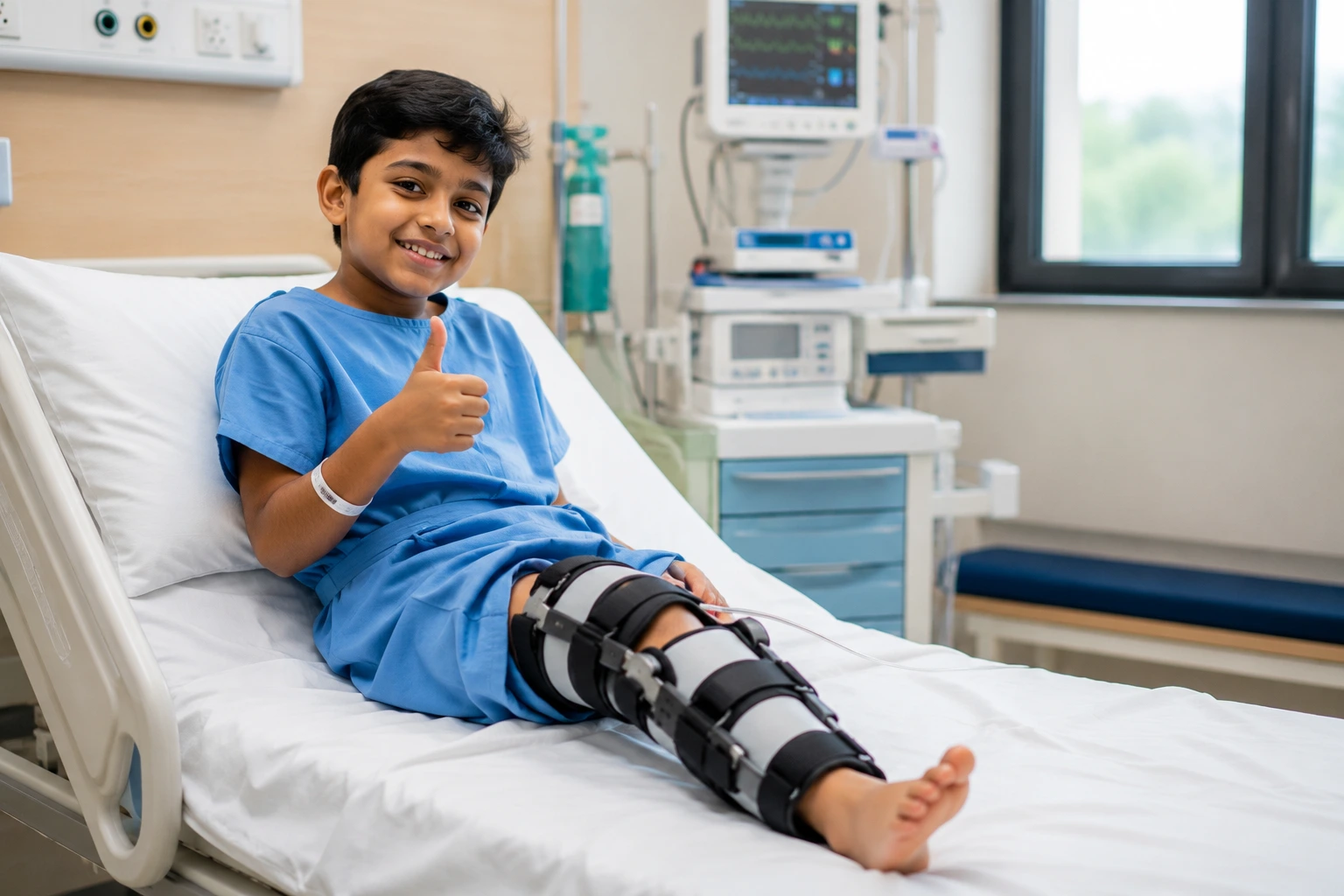
Children are not simply “small adults” when it comes to bones, joints, and muscles. Their skeletons are still growing, which means fractures, deformities, and developmental conditions need a completely different approach than adult orthopedic care. Over the last decade, pediatric orthopedic surgery has evolved dramatically, moving away from lengthy hospital stays and invasive procedures toward faster, gentler, and far more precise treatment options.
Parents searching for answers today are no longer satisfied with generic advice. They want to understand exactly what modern medicine can offer their child, how safe these procedures are, and what recovery will actually look like. This blog breaks down the most meaningful advances shaping pediatric orthopedic surgery today, and how they are helping children return to normal, active lives faster than ever before.
Why Pediatric Orthopedic Care Needs a Specialized Approach
A child’s musculoskeletal system includes growth plates, areas of developing cartilage that determine how bones lengthen and shape themselves over time. Any injury or surgical intervention near these zones carries the risk of affecting future growth if not handled correctly. This is exactly why treating a child’s fracture or deformity requires specialized training, not just general orthopedic experience.
Dr. Shrirang Kulkarni, a name trusted by families across the region, has built a practice around this very principle: treating every child’s condition with precision that respects their ongoing growth and development. At Earth & Ether Clinic, the philosophy is simple — combine advanced surgical techniques with a child-friendly environment so that treatment feels less intimidating and recovery feels more natural.
Key Advances Transforming Pediatric Orthopedic Surgery
1. Minimally Invasive Surgical Techniques
Traditional open surgeries often meant larger incisions, longer hospital stays, and slower recovery. Today, minimally invasive techniques allow surgeons to correct fractures, deformities, and joint issues through small incisions using specialized instruments and real-time imaging guidance. This translates to less pain, reduced scarring, and children being back on their feet in a fraction of the time it once took.
2. Growth-Friendly Implants and Fixation Devices
One of the biggest breakthroughs has been the development of implants designed specifically for growing bones. Flexible intramedullary nails, growth-modulation plates, and expandable fixation systems allow surgeons to stabilize fractures or correct limb deformities without disturbing the growth plate. As the child’s bone continues to grow, these devices adjust or are removed at the right stage, ensuring the limb develops evenly.
3. 3D Imaging and Computer-Assisted Planning
Advanced imaging technology now allows surgeons to build a precise 3D model of a child’s bone structure before ever making an incision. This is particularly valuable for complex deformity corrections, such as limb-length discrepancies or hip dysplasia, where even a millimeter of miscalculation can affect long-term function. Surgical planning software helps map out the exact correction needed, reducing operative time and improving accuracy.
4. Arthroscopic Procedures for Young Athletes
With more children participating in competitive sports at younger ages, sports-related injuries like ligament tears and cartilage damage have become increasingly common. Pediatric arthroscopy, a keyhole procedure using a small camera, now allows surgeons to diagnose and repair joint injuries with minimal disruption to surrounding tissue, helping young athletes return to their sport safely and often faster than before.
5. Non-Surgical and Bracing Innovations
Not every condition requires an operation. Advances in bracing technology, particularly for conditions like scoliosis and clubfoot, have made non-surgical correction more effective and comfortable. Lightweight, custom-molded braces made using 3D scanning now offer better fit and compliance, especially important since young patients often need to wear them for extended periods.
6. Enhanced Recovery Protocols (ERAS in Pediatrics)
Enhanced Recovery After Surgery (ERAS) protocols, originally developed for adult surgical care, have been adapted for children. These structured, evidence-based recovery plans focus on pain management without over-reliance on strong medication, early mobilization, and nutrition support. The result is shorter hospital stays and a smoother emotional experience for both the child and their family.
7. Regenerative and Biologic Therapies
Emerging research into biologic treatments, including the use of growth factors and cartilage regeneration techniques, is opening new possibilities for treating certain pediatric joint and bone conditions without invasive surgery. While still evolving, these therapies represent an exciting frontier in reducing the long-term impact of childhood orthopedic conditions.
What This Means for Parents
For any parent, the idea of their child undergoing surgery can feel overwhelming. These advances exist to reduce exactly that anxiety, by shortening hospital stays, minimizing scarring, lowering infection risk, and helping children return to school, play, and sport sooner. When choosing where to seek care, working with a Pediatric orthopedic surgeon in Pune who has direct experience with these newer techniques can make a meaningful difference in both outcomes and overall experience for the family.
It’s equally important to choose a specialist rather than a general practitioner for anything involving your child’s bones or joints. If you are evaluating your options and searching for the Best Orthopedic Surgeon in Pune, look closely at their specific experience treating pediatric cases, not just general orthopedic volume, since the two require very different skill sets.
Common Conditions Treated With These Advanced Techniques
- Fractures involving growth plates
- Clubfoot and other congenital limb deformities
- Developmental hip dysplasia
- Scoliosis and spinal curvature disorders
- Sports injuries including ligament and cartilage tears
- Limb-length discrepancies
- Bone infections and tumors in children
Each of these conditions benefits from an individualized treatment plan, factoring in the child’s age, growth stage, activity level, and family goals for recovery.
Finding the Right Specialist Near You
Families in and around the city increasingly search for a Pediatric Orthopedic Surgeon Near Me who combines advanced technique with genuine patience for treating young patients, since a good outcome depends as much on the child feeling safe and cooperative as it does on surgical skill itself.
For residents evaluating specialists more broadly across the region, many are searching for the Best Orthopedic Doctor in Pimpri Chinchwad, while others closer to the western suburbs are specifically looking for the Best Orthopedic Doctor in Pimple Saudagar. Regardless of location, the priority should always be the same: verified pediatric-specific expertise, transparent communication with parents, and access to modern surgical infrastructure.
When researching further, many parents also look specifically for the best pediatric orthopedic consultant in Pune to get a second opinion before committing to any surgical plan, which is always a reasonable and encouraged step when it comes to a child’s long-term musculoskeletal health.
It’s also worth noting that experienced Pediatric Orthopedic surgeons in Pune now routinely collaborate with physiotherapists, nutritionists, and child psychologists as part of a comprehensive treatment team, since childhood recovery is rarely just about the bone itself.
The Road Ahead
Pediatric orthopedic surgery is moving firmly in one direction: less invasive, more precise, and more comfortable for the child. Technologies like 3D-guided planning, growth-sensitive implants, and refined arthroscopic tools are not just clinical upgrades, they are meaningfully changing what recovery looks like for families. What once required weeks of hospitalization and months of rehabilitation can now, in many cases, be managed with far shorter recovery windows and better long-term function.
Frequently Asked Questions
Q1. At what age can a child undergo orthopedic surgery?
There is no fixed minimum age. The right time depends entirely on the specific condition, the child’s growth stage, and how urgently intervention is needed. Some conditions are treated in infancy, while others are best addressed closer to skeletal maturity.
Q2. Are minimally invasive procedures safe for children?
Yes. When performed by a trained pediatric specialist, minimally invasive techniques are generally considered safer than traditional open surgery, with lower infection risk, less blood loss, and faster recovery.
Q3. Will surgery near a growth plate affect my child’s future growth?
Modern techniques and growth-friendly implants are specifically designed to protect growth plates. A qualified pediatric orthopedic surgeon will always factor in the child’s remaining growth potential before choosing a surgical approach.
Q4. How long is the typical recovery period after pediatric orthopedic surgery?
Recovery varies by procedure and condition, but thanks to enhanced recovery protocols and minimally invasive techniques, many children now recover in significantly less time than was standard even five years ago.
Q5. When should I consider a second opinion?
If surgery is being recommended for your child, especially for anything involving growth plates or spinal correction, seeking a second opinion from another qualified specialist is always a reasonable and encouraged step.
Book a Consultation Today
Your child’s comfort, growth, and long-term mobility deserve expert attention. If you’re looking for guidance from an experienced specialist who blends advanced surgical technique with genuine care for young patients, reach out to Dr. Shrirang Kulkarni at Earth & Ether Clinic to schedule a consultation. Early evaluation often makes the biggest difference in achieving the best possible outcome for your child.
